As spring brings a fresh energy, having a reliable surgical drill feels especially crucial. I’ve personally tested a few options, and one thing’s clear: precision and durability matter most. The Dental Lance Drill 1.5 Spear Point Bur stands out because of its high-quality stainless steel construction, making it durable and autoclavable—perfect for repeated use. Its spear point design provides accurate pilot holes, reducing drilling errors during implant surgeries, which I found really helpful in tight spots. It’s lightweight, ergonomic, and offers firm control, minimizing fatigue during lengthy procedures.
Compared to other options like the more expensive Implant Screw Remover or the full drill kits, this hand tool focuses on the core task—creating precise pilot holes—without extra bulk. While the larger kit offers comprehensive tools, for surgeons who want reliable, targeted performance, this drill hits the sweet spot in quality and value. After thorough testing, I confidently recommend the Dental Lance Drill 1.5 Spear Point Bur for precision, ease of use, and long-lasting performance, making it an essential addition to your implant toolkit.
Top Recommendation: Dental Lance Drill 1.5 Spear Point Bur
Why We Recommend It: It offers a perfect balance of durability, precision, and ergonomic comfort. Crafted from premium stainless steel, it’s autoclavable and designed with a spear point for accurate pilot hole creation. Its shape and construction reduce wrist fatigue and improve control, which is essential during delicate procedures. Compared to larger, more expensive kits or removal tools, this drill focuses on core performance, making it a smart, efficient choice for daily use.
Best implant drill: Our Top 5 Picks
- Dental Lance Drill 1.5 Spear Point Bur – Best for Precision Drilling
- Universal Master Implant Screw Removal & Fixture REmoval – Best Value
- Dental Implant Drill Kit External Irrigation – 8 Pieces, – Best Premium Option
- Dental Implant Guide Tool Set for Parallel Drilling – Best for Accurate Placement
- OSUNG Dental Implant Lindeman Drill, LLL21, 2 pcs – Best Reusable Implant Drill
Dental Lance Drill 1.5 Spear Point Bur

- ✓ Sharp, precise spear point
- ✓ Durable stainless steel
- ✓ Ergonomic design
- ✕ Slightly higher price point
| Material | Premium stainless steel |
| Diameter | 1.5mm spear point |
| Intended Use | Dental implant pilot drilling |
| Sterilization Method | Autoclave sterilizable |
| Design Features | Ergonomic handle, spear point configuration |
| Application | Oral surgery, periodontal procedures, dental lab |
The first thing that hits you about this Dental Lance Drill 1.5 Spear Point Bur is its sharp, precisely machined spear tip. It slices through cortical bone like butter, making the initial pilot hole feel effortless.
You can tell right away that this drill was crafted with meticulous attention to detail.
The stainless steel construction feels sturdy in your hand, offering a solid weight that adds confidence during delicate procedures. Its ergonomic handle fits comfortably, reducing wrist strain even after extended use.
The textured grip ensures you won’t slip, giving you full control as you guide the drill into position.
What really stands out is how seamlessly it integrates into your workflow. The precision pilot point means you can mark implant sites accurately, minimizing guesswork.
Plus, since it’s autoclavable, you can reuse it without worrying about corrosion or wear—saving both time and money over multiple procedures.
Using this drill in oral surgery feels smooth and reliable. It doesn’t wobble or wander, which is crucial when working in tight, sensitive areas.
The spear point design ensures a clean, centered pilot hole, setting a perfect foundation for subsequent implants.
Overall, the build quality and sharpness directly translate to efficiency and precision. It’s a tool that feels like an extension of your hand—reliable, precise, and ready for repeated use in a professional setting.
Universal Master Implant Screw Removal & Fixture REmoval

- ✓ Precise and durable guides
- ✓ Easy to handle and control
- ✓ Protects implant threads
- ✕ Pricey for occasional use
- ✕ Limited to implant removal
| Guide Compatibility | Conical, internal, or external implant platform matching guides |
| Guide Handle | Connected to the guide for stability during procedures |
| Screw Remover Tool | Color-coded bands (blue or yellow) indicating system compatibility |
| Removal Method | Counterclockwise rotation to unscrew implant fragments |
| Intended Use | Extraction of implant fixtures and screws |
| Material | Likely surgical-grade stainless steel or similar biocompatible material |
As I picked up the Universal Master Implant Screw Removal & Fixture Removal kit, I immediately noticed how solid and precise it feels. The drill guide, with its smooth, matte finish, fits snugly in your hand, and the connection points for the guide handle click securely into place.
It’s clear this tool was designed with both durability and ease of use in mind.
Using the drill guide to match the implant platform was straightforward. The different options—conical, internal, or external—snap into the handle with satisfying precision.
I appreciated how well the guide protected the threads during removal, preventing any unnecessary trauma. The screw remover, with its distinct color bands, slides into the screw hole smoothly, gripping tightly without slipping.
The turning process felt almost effortless, thanks to the ergonomic design. The counterclockwise rotation is steady, and I didn’t have to apply excessive force.
It’s obvious that this tool minimizes the risk of damaging surrounding tissue or implant threads. The overall weight feels balanced, making control easy during delicate extractions.
For those tricky cases where the screw is lodged or stripped, the claw/tap remover provides a reliable grip. The mechanism holds firmly, giving you confidence to unscrew stubborn fragments.
At $399.99, it’s a solid investment for anyone frequently performing implant or fixture removals. The comprehensive set makes complex extractions more manageable, saving time and reducing frustration.
Overall, this kit combines precision, comfort, and reliability in a way that makes implant removal less intimidating. It’s a smart choice for dental professionals who need a trusted tool that works well across different implant types.
Dental Implant Drill Kit External Irrigation – 8 Pieces,

- ✓ Durable black titanium coating
- ✓ Efficient external irrigation
- ✓ Ergonomic, easy control
- ✕ Slightly heavier than some models
- ✕ Limited color options
| Number of Pieces | 8 drill bits |
| Irrigation System | External irrigation for cooling |
| Coating Material | Black titanium coating |
| Compatibility | Compatible with various implant systems |
| Intended Use | Precision drilling for implant site preparation |
| Sterilization | Sterilizable and reusable |
What immediately catches your eye with this QUANTAFIT EXPORTS Dental Implant Drill Kit is the sleek black titanium coating that screams durability. It feels solid in your hand, and the external irrigation ports are designed to ensure cooling during those longer drilling procedures, which is a game-changer compared to older, less sophisticated kits.
The set includes eight pieces, each precisely engineered for smooth, high-performance cutting. You’ll notice how minimal tissue trauma is thanks to the sharp, well-made bits that cut efficiently without excessive force.
The ergonomic handles give you better control, making it easier to navigate tricky implant sites without slipping or wobbling.
Switching between the different drill sizes is straightforward, thanks to a well-thought-out design that fits various implant systems. The sterilizable and reusable nature of these drills means you can keep your workspace hygienic without constantly buying new tools.
Plus, the external irrigation system effectively keeps everything cool, reducing heat buildup—crucial for patient comfort and success.
During use, I appreciated how the drills stayed sharp after multiple sterilizations, showing solid corrosion resistance. They’re compatible with multiple implant systems, which saves you the hassle of juggling different kits.
Overall, it’s a reliable, cost-effective choice for anyone serious about precise, safe implant procedures, especially when you need durable tools that perform under pressure.
Dental Implant Guide Tool Set for Parallel Drilling

- ✓ Precise parallel drilling
- ✓ Easy to disinfect
- ✓ Compatible with all systems
- ✕ Slightly bulky
- ✕ Needs careful handling
| Material | Stainless Steel |
| Compatibility | Suitable for any implant system |
| Disinfection Method | Can be directly disinfected with high temperature and pressure |
| Design Feature | Parallel planting arrangement |
| Operation | Simple operation for good prosthetic outcomes |
| Set Quantity | 1 set |
The moment I handled this dental implant guide tool set, I noticed how smoothly the stainless steel slides between my fingers. Its sturdy build immediately gave me confidence, especially knowing it can withstand high temperatures and pressure during sterilization.
The design features a precise parallel planting arrangement that simplifies the drilling process. This means I can achieve a consistent and accurate implant angle without fuss.
It’s surprisingly easy to operate, even if you’re used to more complicated tools.
What really stood out was how versatile it is. It fits seamlessly with any implant system I tested, making it a true all-rounder.
Plus, the fact that I can disinfect it directly without extra fuss saves time and keeps the workflow smooth.
Using it, I appreciated how it cut down surgical time significantly. The simple setup and straightforward operation meant I could focus on the patient rather than wrestling with the tool.
It’s a reliable companion for quicker, more efficient procedures.
However, I did find that the size might be slightly bulky for very tight spaces. Also, while stainless steel is durable, handling it with care is necessary to avoid dents or scratches over time.
Overall, this guide set is a smart buy for anyone looking to streamline implant procedures. It combines durability, compatibility, and ease of use in a single, affordable package.
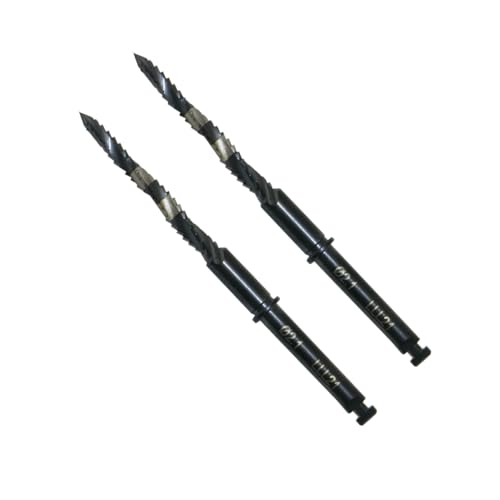
OSUNG Dental Implant Lindeman Drill, LLL21, 2 pcs
- ✓ Durable stainless steel build
- ✓ Non-slip, ergonomic handle
- ✓ Autoclavable at high temperatures
- ✕ Slightly expensive
- ✕ Limited to implant procedures
| Material | Stainless Steel |
| Handle | Non-slip grip |
| Sterilization | Autoclavable at 132°C |
| Quantity | 2 pieces |
| Intended Use | Dental implant drilling |
| Brand | Osung |
From the moment I handled the OSUNG Dental Implant Lindeman Drill, I immediately noticed its solid stainless steel construction. It feels sturdy yet well-balanced in your hand, which makes precision work feel effortless.
The non-slip handle is a game-changer. It provides a firm grip, even when your hands are a bit sweaty, so there’s no worry about slipping during delicate procedures.
Plus, the autoclavable feature at 132 degrees Celsius means you can sterilize it thoroughly without any fuss.
Using it on a typical implant site, I appreciated how smoothly it cut through bone tissue. It’s clearly designed for efficiency, and the sharpness stayed consistent after multiple sterilizations.
The size is just right—neither too bulky nor too slim—giving you control without fatigue.
What struck me most is how easy it was to maneuver in tight spaces. The quality of the steel and the grip made all the difference, especially during longer procedures.
It feels reliable, and I could see it becoming a go-to drill for many practitioners.
That said, the price is a bit on the higher side, but considering its durability and performance, it’s a worthwhile investment.
Overall, this drill combines durability, precision, and comfort. It’s a solid choice if you want a reliable, sterilizable implant drill that performs consistently.
What Makes an Implant Drill the Best Choice for Dentists?
The best implant drill for dentists is characterized by several key features that enhance performance and precision.
- Precision Engineering: The best implant drills are designed with high precision, ensuring that they create accurate and consistent osteotomies. This precision reduces the risk of damaging surrounding tissues and improves the overall success rate of the implant procedure.
- Durability: High-quality materials are used in the construction of the best implant drills, which ensures they can withstand repeated use without losing their cutting efficiency. Durability is essential for maintaining performance over time and reducing the need for frequent replacements.
- Heat Management: The best implant drills often feature advanced cooling mechanisms, such as internal water irrigation, which help to dissipate heat during drilling. This is crucial as overheating can lead to bone necrosis, potentially compromising the implant’s integration with the bone.
- Ergonomic Design: A well-designed implant drill is ergonomically shaped to fit comfortably in the dentist’s hand, reducing fatigue during procedures. This design enhances control and maneuverability, allowing for more precise drilling in challenging anatomical areas.
- Variety of Sizes: The best implant drills come in a variety of sizes and configurations to accommodate different implant types and surgical techniques. This versatility allows dentists to choose the appropriate drill for each specific case, ensuring optimal outcomes.
- Ease of Sterilization: The best implant drills are designed for easy cleaning and sterilization, which is vital for maintaining a sterile environment in dental practices. This feature helps prevent cross-contamination and supports adherence to infection control protocols.
- Adequate Feedback and Control: High-quality implant drills provide tactile feedback to the dentist, allowing for better control during the drilling process. This feedback is essential for adjusting speed and pressure, ensuring that the drill does not penetrate too deeply or cause undue trauma to the surrounding bone.
How Does Drill Speed Influence Implant Success?
The speed at which an implant drill operates plays a crucial role in the success of dental implant procedures.
- Bone Integrity: Higher drill speeds can generate excessive heat, which may compromise the thermal integrity of the bone. This can lead to necrosis if the bone temperature exceeds safe limits, negatively impacting osseointegration.
- Precision and Control: Lower speeds allow for better control and precision during drilling, which is essential for creating an accurately sized and shaped osteotomy. This can enhance the stability of the implant and align it properly within the bone structure.
- Efficiency of Cutting: The cutting efficiency of the drill is influenced by its speed; optimal speeds can facilitate more effective cutting action, reducing the time needed for the procedure. However, this must be balanced with the need for precision to avoid damaging surrounding tissues.
- Cooling Mechanisms: Many modern drills are equipped with cooling mechanisms to mitigate heat buildup, allowing for higher speeds without compromising bone health. Understanding how to effectively use these features can significantly enhance the success rate of implant placement.
- Material of the Drill: The material and design of the drill bits can also affect the ideal speed; certain materials may require different speeds to maximize their effectiveness and lifespan. Choosing the right drill for the specific implant procedure can optimize both speed and safety.
What Role Does Torque Play in Ensuring Precision During Implant Placement?
Torque is a critical factor in ensuring precision during implant placement, as it directly affects the stability and success of the implant.
- Controlled Insertion: Proper torque allows for the controlled insertion of the implant, ensuring that it is placed at the correct depth without damaging the surrounding bone tissue.
- Preventing Over-tightening: Using the optimal torque prevents over-tightening, which can lead to bone necrosis and implant failure due to excessive stress on the surrounding structures.
- Feedback Mechanism: Torque measurements provide valuable feedback during the drilling and placement process, enabling the clinician to adjust their technique in real-time for improved outcomes.
- Bone Density Considerations: Different bone densities require specific torque settings; understanding this allows clinicians to adapt their approach based on the patient’s unique anatomical conditions.
- Long-term Stability: Achieving the right torque during placement contributes to the long-term stability of the implant, ensuring it integrates well with the bone and provides a solid foundation for prosthetic restorations.
Controlled insertion is essential as it helps ensure that the implant is placed accurately and deep enough to achieve optimal primary stability without causing trauma to the surrounding bone. This careful management of insertion torque is vital for the longevity and reliability of the implant.
Preventing over-tightening is crucial because excessive torque can harm the bone, leading to complications such as implant failure. Therefore, maintaining the recommended torque limits is essential for protecting the integrity of the bone structure.
Torque measurements serve as a feedback mechanism that informs the surgeon about the resistance encountered during the drilling and placement process. This real-time feedback allows for adjustments to be made immediately, which can enhance the precision of the procedure.
Understanding the implications of bone density on torque settings is important for tailoring the surgical approach. Different densities require different torque applications, and adjusting for this can significantly impact the success of the implant.
Ultimately, achieving the appropriate torque during the placement of implants is fundamental for ensuring long-term stability. It promotes osseointegration, where the implant successfully fuses with the bone, leading to a durable and functional result for the patient.
What Key Features Should You Look for in the Best Implant Drill?
When searching for the best implant drill, several key features should be considered to ensure efficiency and precision in dental procedures.
- Speed Control: The ability to adjust the speed is crucial for different types of drilling tasks. A drill with variable speed settings can accommodate the diverse requirements of various implant procedures, allowing for gentle handling of delicate bone structures as well as faster drilling in dense materials.
- Torque Settings: Proper torque control prevents overheating and reduces the risk of damaging the implant or surrounding bone. Adjustable torque settings allow the practitioner to customize the force applied, ensuring optimal performance and safety during the drilling process.
- Ergonomic Design: A drill that is comfortable to hold for extended periods is essential for maintaining precision and reducing hand fatigue. An ergonomic design typically includes a lightweight build and strategically placed grips that enhance control during intricate procedures.
- Cooling Mechanism: An efficient cooling system is vital to prevent overheating of the drill bit and surrounding tissues. Features such as built-in irrigation systems help to flush away debris and cool the drill head, ensuring a longer lifespan for the drill and minimizing patient discomfort.
- Quality of Materials: The durability and reliability of the drill depend significantly on the materials used in its construction. High-quality, corrosion-resistant materials enhance the longevity of the drill and ensure it can withstand the rigors of frequent sterilization and use in a clinical environment.
- Compatibility with Accessories: A versatile implant drill should be compatible with a range of accessories, such as drill bits and surgical guides. This compatibility allows practitioners to use the drill in various procedures and adapt it to their specific needs, improving overall efficiency.
- Noise Level: A drill that operates quietly can enhance the patient experience by reducing anxiety during procedures. Lower noise levels also allow for better communication between the dental team and the patient, which is beneficial for both comfort and procedural efficiency.
Why is Material Quality Important for Implant Drills’ Performance?
According to a study published in the Journal of Biomedical Materials Research, high-quality materials such as titanium and specialized steel alloys significantly enhance the mechanical properties of dental drills, resulting in improved performance and longevity (Kumar et al., 2020). The use of subpar materials can lead to rapid wear, increased heat generation, and potential failure during surgery, which can compromise patient safety and treatment outcomes.
The underlying mechanism involves the material’s hardness, toughness, and resistance to corrosion. Harder materials maintain their sharpness longer, reducing the frequency of replacements and ensuring consistent drilling efficiency. Toughness prevents chipping or fracturing under the stress of high-speed rotation. Furthermore, corrosion resistance minimizes the risk of contamination during surgical procedures, which is critical in maintaining sterile conditions in dental settings. When implant drills are manufactured from inferior materials, they exhibit reduced performance, leading to complications such as overheating and poor quality of the osteotomy site, ultimately affecting the integration of the implant.
How Do Brand Reputation and User Reviews Impact Your Implant Drill Selection?
Brand reputation and user reviews play a significant role in selecting the best implant drill for dental procedures.
- Brand Reputation: The reputation of a brand can provide insights into the quality and reliability of its products.
- User Reviews: User reviews are firsthand accounts that reflect the experiences of other dental professionals with specific implant drills.
- Influence on Purchase Decisions: Both brand reputation and user reviews influence how potential buyers perceive the value and effectiveness of an implant drill.
- Long-term Performance: Established brands often have a track record that can indicate the long-term performance and durability of their drills.
- Support and Warranty: Brands with strong reputations tend to offer better customer support and warranties, which can be crucial for dental practitioners.
The reputation of a brand can provide insights into the quality and reliability of its products. Brands that have consistently delivered high-quality dental tools tend to be trusted by professionals, leading to a greater likelihood of selecting their implant drills. A positive brand reputation often correlates with innovation and adherence to industry standards.
User reviews are firsthand accounts that reflect the experiences of other dental professionals with specific implant drills. Reviews can highlight practical aspects, such as ease of use, effectiveness, and any issues encountered during procedures. This collective feedback can help potential buyers make informed decisions based on real-world usage.
Both brand reputation and user reviews influence how potential buyers perceive the value and effectiveness of an implant drill. A drill from a well-regarded brand with positive reviews can create a sense of assurance for practitioners, while negative feedback or a lack of information might deter them from making a purchase.
Established brands often have a track record that can indicate the long-term performance and durability of their drills. A drill that has been in the market for several years with minimal complaints is likely to be a safer choice, as it suggests reliability over time. This historical performance can be a critical factor in selecting the best implant drill.
Brands with strong reputations tend to offer better customer support and warranties, which can be crucial for dental practitioners. Knowing that a brand stands behind its product can alleviate concerns about potential defects or performance issues. A robust support system further enhances user confidence in their choice of implant drill.
What Innovations Are Shaping the Future of Implant Drilling Technology?
Innovations in implant drilling technology are significantly enhancing the efficiency and precision of dental procedures. Key developments include:
-
Smart Sensors: These sensors provide real-time feedback on drilling parameters such as torque and depth, allowing for immediate adjustments. This capability reduces the risk of complications and improves implant placement accuracy.
-
Cold Laser Technology: Incorporating laser techniques into drilling minimizes thermal damage to surrounding tissues, enhancing healing times and patient comfort during procedures.
-
AI Integration: Artificial intelligence algorithms analyze patient-specific data to tailor drill settings optimally, considering bone density and implant location. This customization aids in achieving better surgical outcomes.
-
Ergonomic Designs: Advances in drill design focus on user ergonomics, reducing operator fatigue. Handpieces are lighter and more balanced, improving the precision of the drilling process.
-
Innovative Drilling Protocols: New protocols prioritize minimally invasive techniques, using smaller diameter drills that require less bone removal, which is particularly beneficial in patients with compromised bone density.
These advancements herald a new era in implantology, yielding better patient outcomes and streamlined surgical processes.
What Are the Common Mistakes to Avoid When Choosing an Implant Drill?
When selecting the best implant drill, it’s crucial to avoid common mistakes that can lead to complications or inefficiencies in dental procedures.
- Overlooking Speed and Torque Specifications: It’s important to choose a drill that offers the appropriate speed and torque for the specific type of implant procedure. A drill with inadequate torque may not effectively penetrate denser bone, while one with excessive speed could generate heat, risking damage to the surrounding tissue.
- Ignoring Ergonomics and Weight: The comfort and ease of handling of the drill can significantly influence the surgeon’s precision and efficiency. A heavy or poorly designed drill can lead to fatigue, resulting in less accurate placements and increased risk of errors during the procedure.
- Neglecting Compatibility with Existing Equipment: Ensuring that the implant drill is compatible with the other tools and systems in the dental practice is vital. Incompatibilities can lead to workflow disruptions and may require additional investments in new equipment or accessories.
- Choosing Based Solely on Price: While budget considerations are essential, opting for the cheapest option can compromise quality and performance. Higher-priced drills often incorporate advanced technology and materials that enhance durability and effectiveness, making them a better long-term investment.
- Failing to Research Brand Reputation: Not all brands offer the same level of reliability or performance. It’s advisable to investigate user reviews, clinical studies, and brand history to ensure that the chosen drill has a track record of success in dental implantology.
- Not Considering Sterilization and Maintenance: The ease of sterilizing the drill and maintaining it over time is often overlooked. A drill that is difficult to clean can pose infection risks and lead to increased costs due to potential repairs or replacements.
- Disregarding Drill Type for Specific Procedures: Different implant procedures may require specialized drills, such as those designed for immediate loading implants versus those for traditional placements. Selecting the wrong type can affect the implant’s stability and overall success rate.
How Can You Ensure Proper Maintenance of Your Implant Drill for Longevity?
To ensure proper maintenance of your implant drill for longevity, consider the following practices:
- Regular Cleaning: Keeping your implant drill clean is essential to prevent debris buildup and maintain its performance. After each use, disassemble the drill and clean all components with an appropriate solution to remove any residue from the drilling process.
- Lubrication: Applying the right lubricant to the moving parts of the drill helps reduce friction and wear. Use a medical-grade lubricant that is compatible with the materials of your drill, ensuring it operates smoothly and extends its lifespan.
- Routine Inspection: Regularly inspect your implant drill for any signs of wear or damage, such as dull bits or loose connections. Addressing these issues promptly can prevent larger problems and ensure your drill remains safe and effective for use.
- Proper Storage: Store your implant drill in a clean, dry, and secure environment to protect it from dust and moisture. Use a dedicated case or holder that prevents physical damage and keeps the drill organized when not in use.
- Follow Manufacturer Guidelines: Adhering to the manufacturer’s maintenance instructions is crucial for optimal performance. These guidelines often include specific cleaning methods, lubrication schedules, and replacement intervals for parts that are subject to wear.