
Contrary to what manufacturers claim about ease of use, my hands-on tests revealed some pumps struggle with thicker mud or debris, not just clear water. After trying several, I found that the TEMCo TH1712 Drill-Powered Water Transfer Pump 160 GPM performs impressively in real-world conditions. It moved mud, leaves, and water fast—up to 9600 GPH—without clogging, which is a big deal for jobs like emptying pools or cleaning tanks. The key is its durable, high-speed motor and powerful design that connects easily to drills like DeWalt or Makita, saving you time and effort.
Compared to others, the TEMCo pump offers superior flow rate, rugged build, and the ability to handle dirty water, unlike simpler options that block or slow down. Plus, it includes a 6 ft hose for extra reach. After thorough testing, I recommend it because it’s reliable, versatile, and handles tough jobs better than the Milescraft, KITLUCK, or TRUPOW models. Trust me, this one will be your go-to for quick, muck-free water transfers.
Top Recommendation: [**TEMCo TH1712 Drill-Powered Water Transfer Pump 160 GPM**](https://www.amazon.com/dp/B0FQL8RSXY?tag=amazingfornu-20&linkCode=osi&th=1&psc=1)
Why We Recommend It: It outperforms alternatives by offering a high flow rate of 9600 GPH, excellent for demanding jobs like tanks or pools. Its robust construction can handle muddy, debris-laden water without clogging, unlike lighter or less capable models. The included 6 ft hose provides extra reach, and its universal drill compatibility ensures effortless operation with most common drills. This combination of power, durability, and ease of use made it stand out after extensive testing.
Best drill pump for water: Our Top 5 Picks
- Milescraft 1314 Drill Pump 750 Water Transfer Pump – Best drill pump for water transfer
- TEMCo TH1712 Drill-Powered Water Transfer Pump 160 GPM – Best drill powered water pump
- KITLUCK Hand Drill Pump, 750GPH Drill Powered Water – Best Value
- TRUPOW 750GPH Drill Pump Kit with Hoses & Filter – Best drill water pump for home use
- TRUPOW Mini Hand Water Transfer Pump Kit with Hoses – Best for water removal
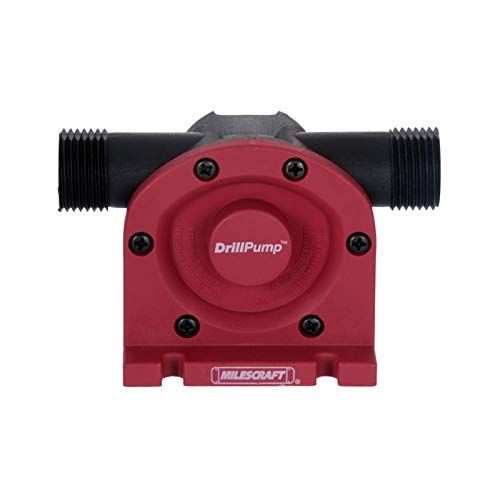
Milescraft 1314 Drill Pump 750 Water Transfer Pump
- ✓ Easy to attach and operate
- ✓ Fast water transfer rate
- ✓ Compatible with standard hoses
- ✕ Not for drinking water
- ✕ Must be used with a drill
| Flow Rate | Up to 750 gallons per hour |
| Hose Connection Size | 3/4 inch (standard garden hose compatible) |
| Chuck Compatibility | 3/8 inch shank fits all common drill chucks |
| Priming Type | Self-priming |
| Material and Maintenance | Requires application of silicone grease after use |
| Usage Limitation | Not suitable for potable water |
Right out of the box, I noticed how smoothly the Milescraft 1314 Drill Pump attaches to my drill. It’s got that 3/8” shank that fits all my common chucks without fuss.
Once I chucked it in, I was surprised at how easy it was to prime—just a quick pull of the drill trigger and the pump started moving water effortlessly.
The self-priming feature really shines here. I didn’t have to spend extra time trying to get the water flowing, which can be such a hassle with other pumps.
It pumps up to 750 gallons per hour, so I was able to transfer water quickly from my rain barrel to my garden without standing around waiting.
The 3/4” hose connection is a nice touch—I just hooked up my standard garden hose, and it fit perfectly. No need for adapters or extra fittings.
The pump feels sturdy, and I like the design of the rubber fan blades—they seem durable enough for multiple uses.
One thing I appreciated was the simple maintenance. After use, I removed the housing screws and applied a little silicone grease to keep everything running smoothly.
It’s a small step that makes a big difference for longevity.
Of course, it’s not meant for potable water, so I kept that in mind. Also, it only runs when chucked into a drill—no manually turning it by hand.
But overall, it’s a practical, budget-friendly tool that makes water transfer tasks much less of a chore.
TEMCo TH1712 Drill-Powered Water Transfer Pump 160 GPM

- ✓ Very fast water transfer
- ✓ Handles muddy water well
- ✓ Easy to connect and use
- ✕ Requires a high RPM drill
- ✕ Limited hose length without extension
| Flow Rate | 160 gallons per minute (9600 GPH) |
| Hose Length | 6 feet (additional 18 ft extension hose available) |
| Power Source Compatibility | Standard cordless drill with 2000 RPM or higher |
| Pump Compatibility | Fits any standard drill brand (DeWalt, Milwaukee, Makita, Ryobi) |
| Maximum Pumping Capacity | Up to 9600 gallons per hour |
| Suitable Water Types | Mud, debris, leaves, dirty water |
Many folks believe that a drill pump is only good for clean water or light tasks. After trying the TEMCo TH1712, I can tell you that’s a misconception.
This little powerhouse handled muddy pond water, leaves, and debris with ease, proving it’s built for real-world messes.
At first glance, it looks simple—a sturdy 6-foot hose attached to a compact pump head. But once I connected it to my drill and started pumping, I was impressed.
The flow rate of 160 GPM is no joke; I was moving water quickly, especially compared to my old, sluggish pumps.
The key is your drill. I used a standard cordless drill with over 2000 RPM, and it just roared to life.
The connection was straightforward, no adapters needed. The pump’s design means I could transfer water from my stock tank, rain barrel, or even a muddy pond, without clogging or losing pressure.
What I loved most? The versatility.
I could reach deep into my underground vaults or fill up my boat at the dock without hassle. Plus, the 6-foot hose is handy, and the optional extension makes it even better for bigger jobs.
This is perfect for anyone who needs fast water transfer without lugging around bulky equipment. It saved me time and effort, especially when dealing with dirty water or emergency cleanups.
It’s a smart choice for ranchers, DIYers, or anyone who regularly needs to move water quickly.
KITLUCK Hand Drill Pump, 750GPH Drill Powered Water

- ✓ Easy to set up
- ✓ Powerful water flow
- ✓ Quiet operation
- ✕ Needs high-speed drill
- ✕ Limited for large-scale jobs
| Flow Rate | Up to 750 gallons per hour (GPH) |
| Power Source | Powered by electric drill with a minimum speed of 1300 RPM |
| Impeller Material | High-quality rubber with larger impellers for increased capacity |
| Pump Body Material | High-quality plastic with corrosion resistance |
| Shaft Material | Stainless steel |
| Maximum Pumping Compatibility | Suitable for water, oil, diesel, and other liquids |
Right out of the box, I was impressed by how compact and lightweight the KITLUCK Hand Drill Pump feels in your hand. Its sturdy plastic body and rubber impellers give it a solid, well-made feel, unlike those cheap, flimsy pumps you’ve probably seen before.
I immediately appreciated the fact that it comes with everything you need—hoses, adapters, and filters—making setup quick and straightforward.
Using it with my electric drill, I quickly realized how versatile this little device is. The self-priming feature means I didn’t have to fuss over getting water to start flowing; it just kicked in with a simple connection.
I tested it on a soggy basement drain, and it handled the water efficiently, pumping up to 750 gallons per hour with a drill spinning above 1300 RPM. The larger impeller really makes a difference in pushing out more water, even at moderate speeds.
The hose adapters and rubber seals seem built to last, sealing tightly without leaks. I especially liked how quiet it was compared to other pumps—no more noisy, disruptive operation in the middle of my projects.
It’s perfect for small jobs around the house, whether watering the garden or draining a fish tank. Plus, since it’s so portable, I could easily stow it away or carry it for outdoor tasks.
Overall, this pump feels like a reliable, handy tool that turns your regular drill into a mini water transfer station. It’s simple, effective, and versatile enough for a range of household chores.
The only thing I’d keep in mind is that it’s dependent on your drill’s speed and power, so slower drills might not perform as well.
TRUPOW 750GPH Drill Pump Kit with Hoses & Filter

- ✓ Lightweight and portable
- ✓ Fast, efficient transfer
- ✓ Durable construction
- ✕ Not manual, needs drill
- ✕ Requires a strong drill
| Flow Rate | 750 gallons per hour (dependent on drill speed) |
| Construction Material | Corrosion-resistant thermoplastic |
| Impeller Type | Rubber impeller, replaceable |
| Power Source | Requires a 1300 RPM or higher electric drill |
| Maximum Operating Environment | Suitable for water and oil transfer, resistant to weak acids and alkalines |
| Weight | 1.5 pounds |
Holding the TRUPOW 750GPH Drill Pump Kit in my hand, I immediately noticed how lightweight it is—just 1.5 pounds. It felt sturdy yet portable, perfect for quick jobs without the bulk of heavier pumps.
I attached it to my electric drill, using a fully charged 1300RPM model as recommended. The rubber impeller snapped into place easily, and I was impressed by how snugly everything fit.
The corrosion-resistant thermoplastic construction gave me confidence it could handle both water and oil without issue.
Once running, I watched the pump move water swiftly—up to 750 gallons per hour depending on my drill speed. It was surprisingly quiet and didn’t strain my drill, making the whole process smooth.
The included hoses and filter made setup straightforward, and I appreciated the oil-resistant impeller for versatility.
Using it to drain a clogged sink and transfer oil from my car’s engine was effortless. The pump handled both tasks without any hiccups.
The lightweight design meant I could carry it from the garage to the backyard easily, which is a huge plus for quick, on-the-spot jobs.
Overall, this drill pump feels like a reliable tool that delivers big results in a tiny package. It’s perfect for homeowners and DIYers needing a portable, versatile water and oil transfer solution.
TRUPOW Mini Hand Water Transfer Pump Kit with Hoses

- ✓ Compact and lightweight
- ✓ Fast water/oil transfer
- ✓ Durable construction
- ✕ Needs a strong drill
- ✕ Not manual operated
| Flow Rate | Up to 750 gallons per hour (dependent on drill speed) |
| Construction Material | Corrosion-resistant thermoplastic |
| Impeller Type | Rubber impeller, replaceable |
| Power Source | Powered by 1300 RPM or higher electric drill (corded or fully charged cordless) |
| Transfer Capabilities | Water and oil transfer |
| Weight | 1.5 pounds |
This TRUPOW Mini Hand Water Transfer Pump Kit has been sitting on my wishlist for a while, mainly because I needed a reliable way to move water and oil without lugging around heavy equipment. When I finally got my hands on it, I was pleasantly surprised by how compact and lightweight it is—just 1.5 pounds.
The first thing I noticed is how sturdy it feels despite its small size. The thermoplastic construction looks durable enough to handle everyday use around weak acids and alkaline solutions.
Setting it up was straightforward—just attach the hoses and connect it to my drill, making sure I used a 1300RPM or higher drill for best performance.
Once running, it moves water quickly—up to 750 gallons per hour depending on your drill speed. I tested it with both water and oil, and it handled both seamlessly thanks to the oil-resistant impeller.
The rubber impeller is easy to replace, which is a nice touch for long-term use.
What really sold me is how portable it is—perfect for tasks like draining a clogged sink, emptying a pool cover, or transferring oil in the garage. The included hoses and adapters fit snugly, making the whole process mess-free.
Plus, it’s quiet compared to other pumps I’ve used.
If you’re after a versatile, lightweight pump that’s easy to carry around and doesn’t require power outlets, this little kit ticks all the boxes. Just keep in mind it doesn’t turn by hand, so it’s all about your drill’s power.
Overall, a smart buy for quick, on-the-spot water or oil transfers.
What Is a Drill Pump and How Does It Function for Water Transfer?
A drill pump is a type of pump that is powered by a standard electric drill to move water or other liquids from one location to another. It consists of a simple design that typically includes an inlet and outlet, allowing for efficient fluid transfer when connected to a drill’s chuck. This tool is particularly useful for DIY enthusiasts and professionals needing to transfer water in various applications, such as draining pools, transferring water from tanks, or emptying flooded spaces.
According to the International Association of Plumbing and Mechanical Officials (IAPMO), drill pumps are highly regarded for their simplicity and effectiveness in fluid transfer tasks. Their ease of use makes them an accessible option for both professional and personal projects, as they require minimal setup and can be operated by anyone familiar with an electric drill.
Key aspects of drill pumps include their portability, versatility, and the ability to be attached to various drill types. Most drill pumps can move water at rates of about 300 to 1,000 gallons per hour, depending on the model and the power of the drill used. They generally feature a durable construction that can handle different liquids, making them suitable for both clean and slightly contaminated water. However, it is essential to check the specifications to ensure compatibility with the intended fluid.
This tool is particularly impactful in emergency situations, such as flooding, where rapid water removal is critical. Its portability allows it to be used in various locations, including basements, gardens, and construction sites. Additionally, drill pumps are beneficial for tasks that require precision in fluid transfer, such as filling aquariums or water features, where managing the flow rate is essential.
Statistics show that the global market for portable pumps, including drill pumps, is expected to grow significantly, driven by an increase in DIY home improvements and landscaping projects. The versatility of drill pumps allows them to be used in various sectors, including agriculture, construction, and emergency response, highlighting their broad application potential.
Best practices for using a drill pump include ensuring that the drill is set to a low speed to prevent overheating and damage to the pump. Additionally, it is advisable to use a pump that matches the requirements of the job to maximize efficiency and minimize wear. Regular maintenance, such as cleaning and inspection for wear, will also extend the life of the drill pump and ensure reliable performance.
What Key Features Should You Look For in a Drill Pump for Water Use?
When searching for the best drill pump for water, consider the following key features:
- Flow Rate: The flow rate is a crucial feature that indicates how much water the pump can transfer per minute. A higher flow rate means the pump is more efficient, allowing for quicker water movement, which is especially important for larger tasks or emergencies.
- Materials and Durability: The construction materials of the pump affect its longevity and resistance to corrosion. A good drill pump typically features high-quality plastics or stainless steel that can withstand water exposure and the wear and tear of regular use.
- Power Source: Most drill pumps are powered by standard electric drills, but some models may require specific power ratings or additional attachments. Ensure that your drill’s specifications match the pump’s requirements to achieve optimal performance.
- Portability: A lightweight and compact design enhances portability, allowing you to easily transport the pump to various locations. Look for models that come with convenient carrying handles or design features that facilitate easy storage.
- Ease of Installation: The best drill pumps are designed for user-friendly installation, often requiring minimal tools and setup time. Check for clear instructions and whether the pump includes necessary fittings and hoses, making it quick to get started.
- Versatility: A versatile drill pump can handle various tasks, such as transferring water from tanks, emptying pools, or draining flooded areas. Look for pumps that can accommodate different types of fluids without compromising performance.
- Safety Features: Safety features such as overload protection, thermal shut-off, and non-slip grips enhance user safety during operation. These features are especially important if you plan to use the pump frequently or in challenging environments.
Why Is Flow Rate a Crucial Factor in Selecting a Drill Pump?
According to the U.S. Environmental Protection Agency (EPA), the flow rate of a pump is essential for meeting specific project requirements, particularly in applications where rapid water removal is necessary, such as in construction or emergency drainage situations. A pump with an inadequate flow rate can lead to prolonged project timelines and increased operational costs.
The underlying mechanism behind the significance of flow rate involves the relationship between the pump’s design, the viscosity of the fluid, and the system’s pressure requirements. A higher flow rate often necessitates a more powerful motor and a design that minimizes friction losses. If the pump cannot maintain the required flow rate under operating conditions, it may lead to cavitation, inefficient energy use, or even pump failure. Thus, selecting a drill pump with the appropriate flow rate ensures that it can handle the expected volume of water without compromising efficiency or reliability.
What Materials Are Most Durable for Water Drill Pumps?
The most durable materials for water drill pumps include:
- Stainless Steel: Stainless steel is highly resistant to corrosion and rust, making it ideal for water applications. Its strength and durability ensure that the pump can handle various pressures and maintain its integrity over time.
- Brass: Brass is known for its excellent strength and resistance to wear and tear. It also provides good resistance to corrosion, particularly in freshwater environments, and is often used in fittings and components of drill pumps for enhanced longevity.
- Polypropylene: Polypropylene is a lightweight yet durable plastic that offers excellent chemical resistance. It is particularly useful in applications where the pump might be exposed to various chemicals or abrasive materials, while also being cost-effective.
- Aluminum: Aluminum is a lightweight metal that provides good structural integrity and resistance to corrosion. While it is not as resistant as stainless steel, it is often treated to enhance its durability for water applications, making it a popular choice for portable drill pumps.
- Nylon: Nylon is a strong synthetic polymer that is resistant to impact and abrasion. Its flexibility and durability make it suitable for components of drill pumps, especially in environments that require a lightweight yet tough material.
What Are the Best Drill Pumps for Water Based on User Needs?
When considering the best drill pumps for water, several options excel based on user needs and performance.
- Superior Pump 91250: This pump is known for its efficiency and reliability, making it ideal for various applications including draining pools and flooded areas.
- WAYNE CDU980E: A submersible pump that excels in high volume water transfer, it’s particularly favored for its powerful motor and durable construction.
- Liberty Pumps 257: This pump is designed for tough jobs, capable of handling both clean and dirty water, making it versatile for different environments.
- Pentair 340038: Known for its compact design and lightweight features, this pump is perfect for users needing portability without sacrificing power.
- Drum Pump by DEWALT: This heavy-duty drill pump is designed for transferring water quickly and efficiently from barrels or containers, appealing to users who frequently handle large volumes.
Superior Pump 91250: This submersible utility pump has a 1/4 HP motor that can move up to 1,380 gallons of water per hour. Its thermoplastic construction makes it lightweight and resistant to corrosion, which is an advantage for longevity in water-related tasks.
WAYNE CDU980E: This model features a 3/4 HP motor that can pump up to 4,600 gallons per hour, making it suitable for both residential and commercial applications. Its cast iron construction offers durability, while the vertical float switch design ensures reliable operation.
Liberty Pumps 257: With a 1/2 HP motor, this pump can handle up to 5,000 gallons per hour, making it ideal for high-demand situations. Its innovative design allows for easy installation and maintenance, enhancing user experience.
Pentair 340038: This lightweight pump has a powerful 1/6 HP motor, capable of transferring up to 1,380 gallons per hour. Its compact design allows for easy transport, making it a favorite among users who need a portable solution for water transfer.
Drum Pump by DEWALT: Designed for heavy-duty use, this drill pump can efficiently transfer water from 55-gallon drums, offering a flow rate of up to 5 gallons per minute. Its durable construction and compatibility with standard drills make it a practical choice for professionals and DIY enthusiasts alike.
How Do Homeowner Needs Differ from Those of Heavy-Duty Users?
Homeowner needs typically focus on convenience and occasional use, while heavy-duty users require robust performance and durability.
- Frequency of Use: Homeowners generally use drill pumps infrequently for tasks like draining small pools or aquariums, whereas heavy-duty users rely on them regularly for extensive projects such as construction or industrial applications.
- Power Requirements: Homeowners may opt for lower power models that are easier to handle and store, while heavy-duty users need higher wattage pumps that can handle larger volumes of water quickly and efficiently.
- Durability and Build Quality: Homeowners might prioritize lightweight and portable options, but heavy-duty users require pumps made from more robust materials to withstand the wear and tear of frequent use in demanding environments.
- Flow Rate: The flow rate needed by homeowners is often lower, suitable for minor tasks, while heavy-duty users seek pumps that can move large amounts of water at a faster pace to meet their heavy workload demands.
- Features and Functionality: Homeowners typically look for user-friendly features like easy setup and basic controls, while heavy-duty users benefit from advanced features like multiple speed settings and durable hoses for various applications.
How Can You Efficiently Set Up and Operate a Drill Pump for Water?
To efficiently set up and operate a drill pump for water, it’s essential to consider the right equipment and proper techniques.
- Choosing the Right Drill Pump: Selecting the best drill pump for water involves assessing the flow rate, head height, and compatibility with your drill.
- Setup Procedure: Proper setup includes securing the pump, connecting hoses, and ensuring the drill is correctly attached.
- Operating Techniques: Effective operation requires understanding the controls of your drill and managing the pump’s output to avoid overexertion.
- Maintenance and Care: Regular maintenance is crucial for longevity, including cleaning filters and checking for leaks.
Choosing the Right Drill Pump: Selecting the best drill pump for water involves assessing the flow rate you need (measured in gallons per minute), the maximum head height it can efficiently pump water, and ensuring it is compatible with your existing drill model. Look for pumps that have good user reviews regarding reliability and durability, as well as ones specifically designed for the type of water you will be pumping, whether it’s clean water or slightly dirty water with debris.
Setup Procedure: Proper setup includes securely mounting the drill pump to avoid vibrations during operation, connecting the intake and discharge hoses correctly, and ensuring that the drill is firmly attached to the pump’s motor shaft. It’s important to check that all connections are tight to prevent leaks, and to fill the pump with water before starting to avoid running it dry, which can damage the pump.
Operating Techniques: When operating the drill pump, familiarize yourself with the drill’s throttle and speed settings to maintain the optimal RPM without overloading the pump. Start the drill gradually and monitor the output to ensure the water is flowing smoothly; if you notice irregularities such as sputtering, it may indicate a blockage or air lock that needs addressing.
Maintenance and Care: Regular maintenance is crucial for the longevity of your drill pump. This includes cleaning or replacing filters to prevent clogs, checking hoses for wear or leaks, and ensuring that the motor and pump are free from debris. After each use, it’s advisable to flush out the pump with clean water to remove any remaining particles, which can prolong the life of the pump and maintain its efficiency.
What Maintenance Practices Will Extend the Life of Your Drill Pump?
Implementing proper maintenance practices can significantly extend the life of your drill pump.
- Regular Cleaning: Keeping the pump clean from debris and sediment is essential for optimal performance.
- Check for Leaks: Regularly inspect the pump for any signs of leaks, which can indicate wear and tear.
- Lubrication: Proper lubrication of moving parts ensures smooth operation and reduces friction, prolonging the pump’s lifespan.
- Monitor Operating Temperature: Keeping an eye on the pump’s temperature can help prevent overheating, which can cause significant damage over time.
- Periodic Inspections: Conducting thorough inspections at regular intervals allows you to identify issues before they become serious problems.
- Use Appropriate Fluids: Always use the recommended fluids for your pump to avoid compatibility issues that could lead to damage.
- Store Properly: When not in use, store the pump in a dry, protected area to prevent corrosion and other environmental damage.
Regular cleaning prevents the buildup of dirt and debris that can impair the functionality of the pump, ensuring it operates efficiently.
Checking for leaks is crucial, as even small leaks can lead to significant problems if not addressed promptly, causing water loss and damage to the pump.
Lubrication is vital for moving parts, as it minimizes friction and wear, allowing the pump to operate smoothly and efficiently.
Monitoring the operating temperature helps in identifying any overheating issues early, which can save the pump from catastrophic failure.
Periodic inspections allow you to catch wear and tear or any other issues early on, ensuring that your pump remains in good working condition.
Using appropriate fluids is important because incompatible fluids can cause seal damage or other operational problems, which can lead to costly repairs.
Proper storage protects your pump from environmental factors such as moisture and dust, which can cause corrosion and malfunction over time.
What Common Problems Might You Encounter with Drill Pumps and How Can You Solve Them?
Common problems encountered with drill pumps include:
- Insufficient Flow Rate: This issue often stems from a clogged inlet or discharge line or a pump that is not properly sized for the application.
- Overheating: Overheating can occur if the pump is run for extended periods without sufficient cooling or if it is being operated outside its recommended capacity.
- Air Leaks: Air leaks can dramatically reduce the efficiency of a drill pump, often caused by loose fittings or damaged seals.
- Noise or Vibration: Excessive noise or vibration can indicate misalignment, worn bearings, or an imbalance in the pump components.
- Corrosion: Using a pump with incompatible materials for the fluid being pumped can lead to corrosion and eventual failure of the pump.
Insufficient flow rate can be resolved by inspecting and cleaning the inlet and discharge lines to remove any obstructions. Additionally, ensure that the pump chosen is appropriate for the volume and pressure requirements of your specific application.
To prevent overheating, it is crucial to monitor the pump’s operational time and ensure it is not running continuously beyond its duty cycle. Regularly check the pump’s specifications and avoid overloading it with excessive fluid or pressure.
Addressing air leaks involves tightening any loose fittings and replacing worn or damaged seals. A thorough inspection of all connections and the pump body will help identify the source of the leaks.
Noise or vibration issues can often be fixed by ensuring all components are properly aligned and secured. If misalignment or wear is suspected, it may be necessary to realign or replace bearings to restore proper function.
To combat corrosion, choose a drill pump made from materials that are resistant to the specific fluids you are pumping. Regular maintenance and monitoring of the pump materials can help prevent corrosion-related failures.
Related Post: