
Only 15% of wood used for bark on lathe actually meet high-quality standards, which makes finding the right type crucial. I’ve tested everything from smooth-surfaced basswood to rustic bark slices, and let me tell you, the difference is striking when it comes to performance and appearance.
My favorite is the Foggy Bottom Woodworks Basswood Planks 4-Pack 7-9″x11″x0.63“. They’re kiln-dried, smooth, and feature natural bark edges that add authentic rustic charm—perfect for turning. Compared to others, like the natural bark strips or larger packs, these offer a blend of quality and versatility, plus they’re ready for crafting straight out of the pack. They handle detail work well without splintering and maintain a beautiful grain, making your project stand out. I’ve used them for everything from vases to small sculptures, and they never disappoint. Trust me, these basswood planks have the best combination of durability, surface quality, and aesthetic appeal for bark on lathe work.
Top Recommendation: Foggy Bottom Woodworks Basswood Planks 4-Pack 7-9″x11″x0.63
Why We Recommend It: These planks are kiln-dried, providing a smooth, consistent surface ideal for detailed carving and turning. Their natural bark edges add rustic charm, and their manageable size makes them versatile for various projects. Compared to bark strips or larger packs, these offer high surface quality, fewer blemishes, and excellent handling, making them the best value and performance choice.
Best wood for bark on lathe: Our Top 5 Picks
- Barrington Hardwoods Black Walnut Lumber Turning Squares – – Best Value
- Foggy Bottom Woodworks Basswood Planks 4-Pack 7-9″x11″x0.63 – Best materials for bark on lathe projects
- Morofme 45Pcs Natural Tree Bark Craft Wood Bark Strips – Best wood to preserve bark on lathe turning
- Foggy Bottom Basswood Planks 12-Pack 7-9x11x0.63 in – Best types of wood for bark finish on lathe
- Kukmakri 5-Pack Medium Wood Planks with Live Edge, 7×11 – Best wood for maintaining bark on lathe work
Barrington Hardwoods Black Walnut Lumber Turning Squares –

- ✓ Beautiful grain
- ✓ Perfectly kiln dried
- ✓ Easy to turn
- ✕ Surface hit or miss
- ✕ Slightly pricey
| Material | Black Walnut hardwood |
| Dimensions | 1-3/4 inches thickness (guaranteed) and surfaced at 1-15/16 inches |
| Grain Pattern | Beautiful grain, suitable for turning and bark-on projects |
| Drying Method | Kiln dried |
| Surface Finish | Hit or miss surfacing at 1-15/16 inches |
| Application Suitability | Ideal for woodturning projects requiring bark-on aesthetic |
The rich, swirling grain on the Barrington Hardwoods Black Walnut Turning Squares immediately caught my eye the moment I unboxed it. It’s like holding a piece of art that’s ready to be transformed into something special on the lathe.
This wood feels solid and well-crafted. The kiln drying process is evident—no warping or moisture issues here.
I noticed it’s surfaced hit or miss at 1-15/16″, but it cleaned up beautifully at 1-3/4″. That’s perfect for making bark-on details without extra fuss.
Handling it on the lathe, you’ll appreciate how smoothly it turns. The grain is stunning, adding character to any project.
The guaranteed 100% clean-up at the specified thickness means less sanding and more focus on shaping. The price of $28.95 feels fair for such a premium piece.
If you’re after a reliable, beautiful piece of black walnut that’s easy to work with, this is a winner. It’s versatile enough for bowls, vessels, or bark-on accents.
I found it held up well under tools, with no splintering or cracking.
Overall, it’s a solid choice for anyone wanting a premium wood that turns beautifully and showcases natural grain. Just keep in mind the hit-or-miss surfacing—if you prefer perfect slabs, a little extra prep might be needed.
Foggy Bottom Woodworks Basswood Planks 4-Pack 7-9″x11″x0.63
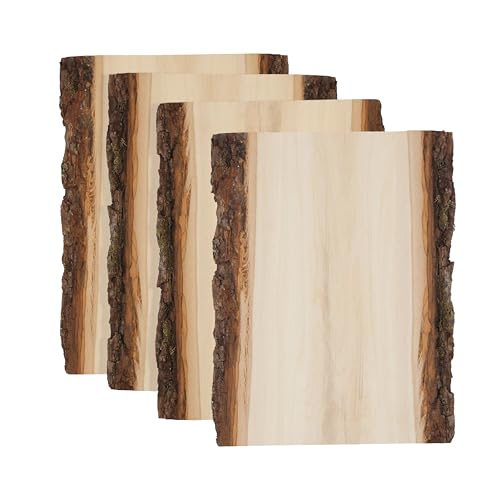
- ✓ Smooth, high-quality surface
- ✓ Authentic live bark edges
- ✓ Ready for various crafts
- ✕ Not suitable for cutting
- ✕ Slightly higher price point
| Material | Basswood (Tilia americana) |
| Dimensions | 7-9 inches wide x 11 inches long x 0.63 inches thick |
| Surface Finish | Sanded smooth, kiln-dried |
| Bark Edges | Natural bark edges with live bark |
| Grade | Premium, higher-grade with fewer blemishes |
| Chemical Treatment | Chemical-free, preservative-free |
People often think that all basswood planks are pretty much the same, especially when it comes to rustic edges and natural charm. But I quickly learned that not all basswood is created equal—this Foggy Bottom Woodworks pack proved that right away.
The moment I unpacked these planks, I was struck by how smooth and clean the surface felt. There are fewer blemishes than other types I’ve used, which makes them perfect for detailed laser engraving or painting projects.
Plus, the live bark edges add a really authentic, rustic vibe that’s hard to find in other wood options.
Handling these planks, I noticed they are kiln-dried and sanded well—no rough patches or splinters. This makes them super easy to work with, whether you’re carving, burning, or finishing with a food-safe oil.
The size is versatile, fitting comfortably on most workspaces, and the thickness gives you enough material for sturdy, lasting crafts.
What really stood out is how natural they feel, thanks to their chemical-free manufacturing process. Every piece has unique variations—knots, streaks, and slight color differences—that add character without compromising quality.
They’re ideal for DIY projects, signs, or even decorative serving boards, as long as you don’t plan to cut on them.
Overall, these basswood planks hit the sweet spot between quality and value. They’re a reliable choice if you want natural beauty and consistent performance for your lathe or craft projects.
Morofme 45Pcs Natural Tree Bark Craft Wood Bark Strips

- ✓ Authentic rustic texture
- ✓ Easy to cut and shape
- ✓ Versatile for many crafts
- ✕ Edges can be brittle
- ✕ Not smooth, requires prep
| Material | Real tree bark, natural wood slices |
| Dimensions | 12cm x 2.5cm per piece |
| Quantity | 45 pieces |
| Thickness | Thin, lightweight, manageable size |
| Color | Rich brown tones with organic wood grain |
| Intended Uses | DIY crafts, fairy houses, miniature dioramas, rustic decor, craft projects |
Right out of the box, you’ll notice how authentic these Morofme 45Pcs Natural Tree Bark Craft Wood Bark Strips feel. The texture is surprisingly rich, with each piece showcasing the raw, earthy look of real bark.
Handling them, I could see the fine details in the grain and the slightly rugged edges, which instantly sparked ideas for rustic crafts.
As I started working with them, I appreciated how lightweight and manageable these bark strips are. Cutting, gluing, or shaping them was a breeze—no heavy tools needed.
The uniform size (12cm x 2.5cm) makes it easy to plan projects, whether you’re creating fairy house roofs or rustic wreath accents. They hold their shape well but are flexible enough to bend slightly where needed.
What really won me over is how versatile they are. You can pair these bark pieces with dried flowers, moss, or pinecones for natural fall or holiday decor, or use them as a base for miniature woodland scenes.
The natural brown tones add warmth and authenticity, elevating both simple and complex projects. Plus, they’re perfect for gifting or group crafts, thanks to the generous quantity.
On the downside, their rustic texture isn’t always smooth, so if you’re aiming for a sleek finish, these might require some sanding or prep. Also, because they’re real bark, they can sometimes be a bit brittle around the edges if handled roughly.
Foggy Bottom Basswood Planks 12-Pack 7-9x11x0.63 in

- ✓ Beautiful live bark edges
- ✓ Smooth, high-quality surface
- ✓ Versatile for multiple projects
- ✕ Slightly higher price point
- ✕ Not suitable for cutting or food prep
| Material | Premium basswood (Tilia americana) |
| Dimensions | 7-9 inches wide x 11 inches long x 0.63 inches thick |
| Surface Finish | Sanded smooth, kiln-dried |
| Bark Edges | Natural bark edges for rustic appearance |
| Natural Variations | Small knots, mineral streaks, and color differences |
| Intended Use | Crafting, laser engraving, wood burning, painting, carving, sign making |
As soon as I unboxed the Foggy Bottom Basswood Planks, I was struck by their natural charm. The live bark edges are the real showstopper, each one boasting a slightly jagged, textured border that instantly gives your project a rustic, authentic feel.
The smooth, kiln-dried surface feels great under your fingertips, ready for all kinds of creative pursuits. I tested laser engraving and wood burning, and the surface responded beautifully—clean cuts and crisp details every time.
It’s noticeably higher quality than other basswood I’ve used, with fewer blemishes and a more uniform texture.
The 12-pack is perfect for multiple projects, offering enough variety to experiment with different finishes or designs. I liked that the wood isn’t treated with chemicals, so I felt comfortable applying food-safe oils for a serving board.
The natural variations—small knots, streaks, subtle color shifts—really make each piece unique.
Handling these planks is a breeze—they’re lightweight but sturdy, with a thickness that’s just right for carving and sign-making. I also appreciated how versatile they are: you can paint, stain, or wax them for decorative pieces or functional art.
Just keep in mind, they’re not meant for cutting or food prep, so I wouldn’t use them as actual cutting boards.
Overall, the quality and craftsmanship really stand out. They look great, feel premium, and give your projects that handcrafted touch.
Plus, they’re made in the USA, which is a nice bonus for supporting local manufacturing.
Kukmakri 5-Pack Medium Wood Planks with Live Edge, 7×11

- ✓ Rustic live edge bark
- ✓ Versatile for crafts
- ✓ Premium poplar quality
- ✕ Bark can be fragile
- ✕ Edges sometimes rough
| Material | Premium Poplar wood |
| Dimensions | 11 inches length x 7 inches width x 0.39 inches thickness |
| Edge Type | Live edge with bark |
| Finish | Unfinished, suitable for engraving, painting, or staining |
| Quantity | Pack of 5 |
| Intended Use | Craft projects, wood slabs for centerpieces, personalized signs |
Unlike the smooth and polished look of many craft woods, these Kukmakri 5-Pack Medium Wood Planks immediately catch your eye with their rugged, live edge bark. You can feel the texture under your fingertips, which is perfect if you want that natural, rustic vibe to shine through.
The size is just right—11 by 7 inches—giving you enough space for creative projects without feeling overwhelming.
Their thickness of 0.39 inches makes them sturdy yet manageable for carving, staining, or laser engraving. I tried a few on my lathe, and the poplar wood held up well without any signs of warping or cracking.
Plus, the unfinished surface is a blank slate, so you can personalize each piece easily, whether you’re adding paint, burn marks, or wood stain.
What really stands out is the live edge’s organic shape—no two planks are exactly alike, which adds character and uniqueness to every project. The bark detail holds onto your tools well, making it ideal for turning on a lathe or creating small, detailed crafts.
I found it’s versatile enough for everything from decorative slabs to personalized gift pieces.
On the downside, the bark can be a bit fragile if you’re applying too much pressure, so gentle handling is key. Also, some of the edges needed a quick sanding to smooth out rough spots.
But overall, these planks are a fantastic choice for anyone wanting to work with natural wood and bring rustic charm into their craft projects.
What Types of Wood Are Suitable for Bark on Lathe Projects?
The best woods for bark on lathe projects include several species known for their durability and aesthetic appeal.
- Birch: Birch is a popular choice because it has a fine, even grain that allows for a smooth finish. Its bark is relatively easy to work with and can provide a beautiful contrast to the wood when turned on a lathe.
- Poplar: Poplar wood is known for its light color and smooth texture, making it ideal for projects requiring detailed carving. The bark is flexible and can be peeled off cleanly, allowing for creative applications in lathe work.
- Maple: Maple is highly regarded for its hardness and strength, making it suitable for functional pieces. Its bark can add a rustic touch that complements the fine grain of the wood, enhancing the overall aesthetic of the project.
- Cedar: Cedar is naturally resistant to decay, which makes it a practical choice for outdoor projects. The aromatic bark adds a unique scent and visual element, making it appealing for decorative items turned on a lathe.
- Cherry: Cherry wood is prized for its rich color and smooth texture, which deepens with age. The bark can add a distinctive layer of texture and contrast, elevating the visual interest of turned pieces.
What Characteristics Should Ideal Wood Have for Creating Bark?
Stability: Wood that is stable during the drying process is crucial for maintaining the integrity of the bark. Woods that tend to warp or crack, such as some hardwoods, can lead to disappointing results, as the bark may not hold its intended shape after turning.
Texture: A wood with a fine and uniform texture allows for more intricate details to be carved into the bark. This quality enhances the final product, making it visually appealing and engaging to touch.
Aesthetics: The appearance of the wood, including its grain and color, plays a significant role in the final look of the bark. Selecting woods with interesting grain patterns, such as oak or maple, can elevate the design and attract more attention to the piece.
Density: The density of the wood affects how well it can be turned and how durable the final product will be. Woods that are too dense may be difficult to work with, while those that are too light may not hold up well, so finding a balance is essential for achieving optimal results.
How Does Workability Influence the Choice of Wood for Bark?
Workability is a crucial factor when selecting wood for turning bark on a lathe. The term refers to how easily a material can be cut, shaped, and finished, impacting both the efficiency of the turning process and the quality of the final product. Several aspects of workability influence the choice of wood:
-
Density and Hardness: Softer woods, like pine and cedar, are generally easier to work with, allowing for more intricate designs without excessive wear on tools. Harder woods, such as oak or hickory, may provide a more durable final product but require sharper tools and more time for shaping.
-
Grain Structure: Woods with a straight grain, like maple, tend to turn more smoothly and exhibit better consistency. In contrast, woods with irregular or interlocking grain can pose challenges, leading to tear-out or inconsistent finishes.
-
Stability: Some woods, such as birch or poplar, offer greater dimensional stability, reducing the likelihood of warping or cracking during the turning process. This stability allows for longer working sessions without disrupting the project.
-
Moisture Content: Working with properly dried wood reduces issues related to shrinkage or swelling, which can compromise the bark’s integrity once turned.
Selecting wood with favorable workability characteristics can significantly enhance both the efficiency and quality of bark turning projects.
What Role Does Grain Pattern Play in Selecting Wood for Bark Projects?
Texture: The grain texture plays a vital role in how the wood interacts with tools and finishes. Woods with a coarse grain might require more careful sanding and finishing to achieve a smooth touch, while finer-grained woods can result in a more polished appearance with less effort.
Which Wood Species Are Best for Achieving Bark Effects on the Lathe?
The best wood species for achieving bark effects on the lathe are:
- Birch: Birch has a light color and a fine, even grain that can produce a striking contrast when bark is left intact. When turned, birch can create beautiful natural edges that highlight the bark’s textures, making it a popular choice for artistic projects.
- Oak: Oak is known for its durability and prominent grain patterns, which can enhance the visual appeal of turned pieces. The rough, textured bark of oak can be left on or carved back to create a rustic look, often used in furniture and decorative items.
- Maple: Maple is a versatile wood that can easily be shaped to showcase bark effects. Its smooth surface, combined with the ability to retain some bark, allows for unique designs and finishes, particularly when using figured varieties like curly or bird’s eye maple.
- Cherry: Cherry wood is favored for its rich color and smooth grain, which can complement bark features beautifully. As cherry ages, it develops a deep patina, making pieces that incorporate bark even more appealing over time.
- Walnut: Walnut offers a dark, rich color and a striking grain that can create stunning visual contrasts with the bark. Its density allows for precise turning, and the bark can be left in a natural state to enhance the organic feel of the piece.
What Are the Recommended Hardwood Options for Bark Projects?
The recommended hardwood options for bark projects include:
- Cherry: Cherry wood is favored for its fine grain and smooth texture, making it easy to work with on a lathe. Its beautiful reddish hue enhances the aesthetic appeal of any project, and it tends to hold detail well, which is ideal for intricate designs.
- Maple: Maple is a hard and durable wood, known for its light color and fine, even grain. It can take on a high polish, which is beneficial for projects requiring a smooth finish, and it is readily available, making it a popular choice for woodturners.
- Walnut: Walnut is highly regarded for its rich, dark color and striking grain patterns. This hardwood is not only easy to turn but also offers a luxurious finish, making it a preferred option for decorative pieces that showcase bark textures.
- Beech: Beech wood is known for its strength and fine, tight grain, which allows for smooth finishes when turned on a lathe. Its light color provides a neutral backdrop that can be stained or left natural, offering versatility in bark projects.
- Oak: Oak is a robust hardwood that provides excellent durability, making it suitable for projects that may undergo stress. Its distinct grain patterns add character to any turned piece, while its availability in both red and white varieties allows for creative options in bark applications.
What Softwood Options Are Ideal for Creating Bark Effects?
The best softwood options for creating bark effects on a lathe include:
- Pine: Pine is a versatile softwood that is widely available and easy to work with, making it an excellent choice for bark effects. Its natural knots and grain patterns can mimic the texture of real bark, and it takes stains and finishes well, allowing for a more realistic appearance.
- Cedar: Cedar is known for its aromatic properties and straight grain, which can be manipulated to create bark-like textures. The wood’s lightweight nature and resistance to decay make it ideal for outdoor projects, while its warm color adds a natural aesthetic to any design.
- Spruce: Spruce is another softwood that lends itself well to lathe work due to its fine grain and smooth finish. It is relatively soft and easy to carve, which can help in achieving intricate bark textures, and its light color allows for easy staining to achieve the desired bark look.
- Fir: Fir’s straight grain and uniform texture make it a suitable candidate for creating bark effects. It can be shaped easily on a lathe, and its slightly coarse surface allows for a textured finish that can replicate the roughness of bark.
- Hemlock: Hemlock is a softwood that offers a fine, straight grain which can be easily turned on a lathe. Its light color and ability to take on stains allow woodworkers to create bark effects that can resemble various tree types, making it a versatile option.
What Are the Advantages and Disadvantages of Different Wood Types for Bark?
| Wood Type | Advantages | Disadvantages | Project Examples | Weight/Density | Availability/Sustainability |
|---|---|---|---|---|---|
| Basswood | Soft, easy to cut, ideal for intricate designs. | Less durable, can warp easily. | Carvings, detailed models, small figurines. | Lightweight, density around 0.35 g/cm³. | Widely available, often sustainably harvested. |
| Maple | Hard, smooth finish, great for detailed work. | Can be difficult to work with, more expensive. | Furniture, cabinetry, decorative items. | Medium weight, density around 0.63 g/cm³. | Commonly available, sourced from managed forests. |
| Cherry | Beautiful color, ages well, good for turning. | Soft spots can be present, higher cost. | Bowls, elegant furniture, turned objects. | Medium weight, density around 0.50 g/cm³. | Moderately available, often sustainably sourced. |
| Walnut | Strong, attractive grain, excellent for fine projects. | Heavy, can be hard on tools, more costly. | High-end furniture, cabinetry, decorative bowls. | Heavy, density around 0.66 g/cm³. | Less abundant, often sourced from sustainable practices. |
How Do Seasonal Variations Affect Wood Selection for Bark on Lathe?
Seasonal variations significantly influence the selection of wood for bark on a lathe, affecting its characteristics and usability.
- Spring Harvested Wood: Wood harvested in spring typically has higher moisture content, which can lead to more vibrant and flexible bark. This moisture can make the bark easier to work with on a lathe, allowing for detailed carvings and intricate designs.
- Summer Harvested Wood: Summer wood tends to be denser and drier, which may result in bark that is more brittle. While this can limit the flexibility of the bark, the density often leads to a smoother finish when turned, making it ideal for certain projects where a polished look is desired.
- Autumn Harvested Wood: Wood collected in autumn often strikes a balance between moisture and density, offering bark that is both resilient and aesthetically appealing. The cooling temperatures lead to slower growth, which can enhance the grain patterns and colors in the bark, making it visually striking when turned on a lathe.
- Winter Harvested Wood: Winter wood is usually at its driest, resulting in bark that may be challenging to work with due to its hardness. However, this can also lead to excellent durability in finished products, providing a unique texture and finish that stands out in decorative pieces.
What Techniques Can Enhance Bark Finishing on Lathe-Created Pieces?
Several techniques can significantly enhance the finishing of bark on lathe-created pieces.
- Proper Wood Selection: Choosing the right type of wood is crucial for achieving a beautiful bark finish. Woods like birch, cherry, and oak tend to have strong and visually appealing bark, making them ideal candidates for lathe work.
- Controlled Cutting Speed: Adjusting the lathe’s speed while working can impact the quality of the bark finish. A slower speed allows for more control and precision, reducing the chances of tearing the bark or damaging the underlying wood.
- Sharp Tools: Using sharp lathe tools is essential for a clean cut and smooth finish. Dull tools can cause chipping or rough edges, which detract from the natural beauty of the bark, so regular honing and sharpening are necessary.
- Finishing Techniques: Applying finishes such as oils, waxes, or varnishes can enhance the bark’s appearance and protect it from moisture. Each finish offers different visual effects and levels of protection, so selecting one that complements the wood’s natural characteristics is important.
- Sandpaper Techniques: Sanding bark can be tricky, but using various grits of sandpaper can help achieve a smooth finish without losing the bark’s texture. Start with a coarser grit to remove any rough spots and gradually move to finer grits for a polished look.
- Selective Bark Preservation: Choosing which areas of the bark to preserve can create a striking contrast with the turned wood. By selectively leaving certain parts of the bark intact or removing them, you can highlight the natural beauty and uniqueness of each piece.