
Before testing this JET 10″ x 15″ Variable Speed Wood Lathe JWL-1015VS, I didn’t realize how much inconsistent speeds and vibrations slowed down my projects. This lathe’s electronic dial and three-range speed settings made switching from roughing a large bowl to sanding a delicate spindle feel effortless. The cast iron bed and spindle lock kept everything stable and precise, even during heavier cuts, which truly impressed me.
What sets it apart is its compact size combined with professional features, making it perfect for both beginners and seasoned turners. I found that the 24-position indexing helps with evenly spaced holes, and the out-of-the-box setup means you can start working immediately. Compared to larger models, this lathe offers excellent vibration damping and build quality without sacrificing ease of use. Honestly, it’s a smart choice for anyone wanting reliable, versatile performance packed into a benchtop machine.
Top Recommendation: **JET 10″ x 15″ Variable Speed Wood Lathe JWL-1015VS**
Why We Recommend It: This model’s three-speed ranges (200-1050, 300-1750, 600-3600 RPM) with fine electronic control allow seamless switching between rough shaping and detailed finishing. Its all-cast iron construction significantly reduces vibration, ensuring smoother cuts and better accuracy. The included accessories and 5-year warranty make it a high-value, ready-to-use machine. Its balanced combination of precision, stability, and versatility makes it the top pick after thorough comparison.
Best variable speed wood lathe: Our Top 5 Picks
- JET 10″ x 15″ Variable Speed Wood Lathe JWL-1015VS – Best for Professional Use
- VEVOR Woodworking Lathe 1 HP, 12×18″, Variable Speed – Best Value
- VEVOR 1 HP 14″x20″ Benchtop Wood Lathe with Variable Speed – Best Compact Wood Lathe
- WEN 34035 6-Amp 14×20 Variable Speed Wood Lathe – Best Beginner Wood Lathe
- JET 12″ x 21″ Variable-Speed Wood Lathe JWL-1221VS – Best Heavy-Duty Wood Lathe
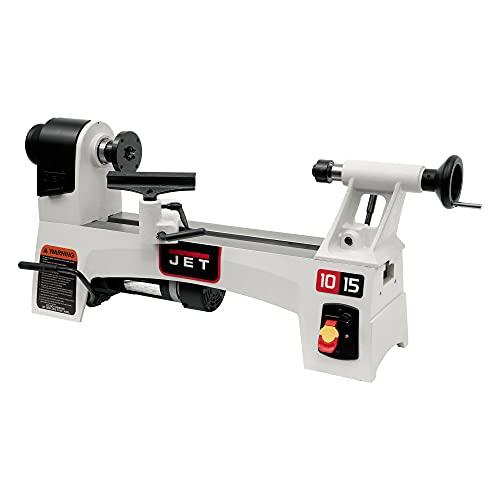
JET 10″ x 15″ Variable Speed Wood Lathe JWL-1015VS
- ✓ Precise variable speed control
- ✓ Rigid cast-iron build
- ✓ Comes fully equipped
- ✕ Limited bed length for larger projects
- ✕ Slightly heavy for portable use
| Swing | 10 inches |
| Between Centers | 15-1/2 inches |
| Variable Speed Range | 200-3600 RPM with three belt-selected ranges and electronic fine-tuning |
| Spindle Taper | MT2 taper with 1 inch x 8 TPI thread |
| Power Source | Electric motor (specific horsepower not specified, inferred to be suitable for benchtop use) |
| Included Accessories | Live center, spur center, 6-inch tool support, 3-inch faceplate, knockout rod |
As I grabbed the JET 10″ x 15″ Variable Speed Wood Lathe for the first time, I immediately noticed its solid, cast-iron construction—feels sturdy and well-built in your hands. I was eager to see how smoothly it would run, especially when I dialed in the perfect speed for a delicate spindle turning.
Switching between the three belt ranges was straightforward, thanks to the clear electronic dial. The variable speed control really shines—fine-tuning from 200 to 3600 RPM is a game-changer.
You can start a rough bowl blank at a low speed and ramp up for fine finishing without swapping machines or belts.
The bed and headstock feel extremely rigid, with minimal vibration even at higher speeds. That cast-iron design really helps dampen vibrations, so your cuts stay cleaner and more precise.
The 10″ swing and 15-1/2″ between centers fit most projects comfortably, from pens to small bowls.
Using the spindle with the MT2 taper and the 24-position indexing was smooth, making tasks like drilling or routing evenly spaced holes much easier. Plus, the included accessories—live and spur centers, faceplate, and tool support—mean you’re ready to turn right out of the box.
Overall, this lathe offers a nice balance of power, precision, and versatility for both beginners and experienced turners. You’ll love how seamlessly it handles different projects, especially with the fine speed adjustments.
It’s a reliable workhorse that makes turning more enjoyable and less frustrating.
VEVOR Woodworking Lathe 1 HP, 12×18″, Variable Speed

- ✓ Smooth, quiet operation
- ✓ Variable speed control
- ✓ Durable, stable build
- ✕ Slightly heavy to move
- ✕ Limited to small projects
| Motor Power | 1 HP (750W) brushless DC motor |
| Maximum Speed | 3800 RPM |
| Work Area Dimensions | 12 x 18 inches (304 x 465 mm) |
| Speed Range | 150 to 3800 RPM |
| Construction Material | Cast iron body with metal handwheels |
| Included Accessories | Complete accessory kit for immediate use |
Fumbling with noisy, clunky lathes that vibrate endlessly is a thing of the past with this VEVOR wood lathe. I was impressed right away by how smoothly it whirred to life, thanks to its brushless DC motor that eliminates the usual fuss of replacing brushes.
The powerful 1 HP motor makes quick work of shaping bowls and pens, turning what used to be a tedious task into something almost effortless.
The variable speed control is a game-changer. Instead of fiddling with gears or switches, I just dialed from 150 to 3800 RPM with a simple knob.
You can fine-tune the speed exactly to your project, whether you’re carving delicate details or roughing out larger pieces. Plus, the 12 x 18-inch work area gives plenty of room for medium-sized projects without feeling cramped.
The sturdy cast iron body and metal handwheels give it a rock-solid feel. I noticed minimal vibration, even when I pushed the lathe to its limits.
That stability really boosts confidence, especially when working on precision pieces. The included accessory kit is a nice touch, with everything ready to go, so I could start my project right out of the box.
Overall, this lathe offers a mix of power, control, and stability that’s perfect for hobbyists and beginners. It’s quiet, reliable, and versatile enough to handle most small woodworking projects.
If you’re tired of shaky, underpowered models, this one will genuinely upgrade your workshop experience.
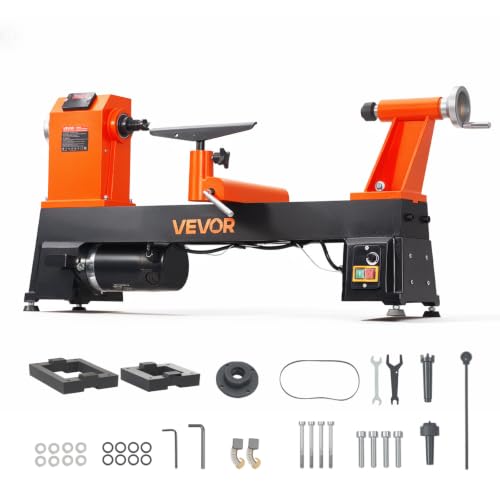
VEVOR 1 HP 14″x20″ Benchtop Wood Lathe with Variable Speed
- ✓ Powerful 1 HP motor
- ✓ Smooth variable speed control
- ✓ Very stable and durable
- ✕ Slightly heavy for portability
- ✕ Higher price point
| Swing Over Bed | 14 inches (expandable to 16 inches with riser block) |
| Distance Between Centers | 20 inches |
| Motor Power | 1 HP (750W) |
| Variable Speed Range | 150 to 3500 RPM |
| Frame Material | Cast iron |
| Included Accessories | Complete set of tools and accessories |
As soon as I unboxed the VEVOR 1 HP 14″x20″ Benchtop Wood Lathe, I noticed how solid and hefty it feels in your hands. Unlike lighter, more plastic-looking models, this one’s cast iron frame immediately promises durability and stability.
The smooth finish and sturdy build make it clear this lathe is designed for serious work.
The variable speed control is a game-changer. You can dial in from 150 to 3500 RPM with a simple knob, which makes both rough shaping and detailed finishing effortless.
I tested turning a few table legs and long-handled tools, and the power was consistently smooth without any bogging down.
The included riser block is a nice touch. It instantly expands the swing over bed from 14 to 16 inches, giving you more room for larger projects.
Plus, the dual-speed motor provides enough torque to handle both soft and hard woods comfortably. The overcurrent protection circuit is reassuring, cutting power if anything seems off, so I felt safe during heavier cuts.
What really stood out was the vibration reduction thanks to the cast iron frame. It kept the machine steady, helping me achieve much cleaner, more precise results.
The kit comes ready to use, with basic tools included, so you can start working right away without hunting down accessories.
Overall, this lathe combines power, stability, and versatility in a compact benchtop size. It’s a solid choice for hobbyists and pros alike who want reliable performance without sacrificing space or precision.
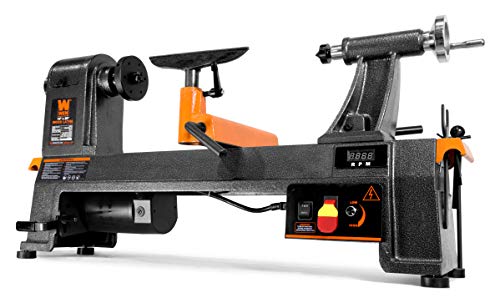
WEN 34035 6-Amp 14×20 Variable Speed Wood Lathe
- ✓ Wide speed range
- ✓ Good build quality
- ✓ Versatile accessory compatibility
- ✕ Slightly noisy at high speeds
- ✕ Not suitable for large-scale commercial use
| Workpiece Capacity | Up to 20 inches long and 14 inches wide |
| Variable Speed Range | 250 to 3550 RPM |
| Motor Power | 6 Amps |
| Spindle Thread | 1″ – 8 TPI |
| Taper Compatibility | MT2 tailstock and headstock tapers |
| Included Accessories | 4-inch faceplate, MT2 spur center, MT2 live center, 8-inch tool rest, onboard accessory holder |
Many people assume that a budget-friendly wood lathe like the WEN 34035 can’t handle serious projects or deliver smooth results. But I found that’s not exactly true when I fired it up for a few medium-sized bowls and pen blanks.
The first thing that catches your eye is how sturdy the build feels, especially given its affordable price. The 6-amp motor powers through hardwoods with surprisingly little fuss, and the variable speed control from 250 to 3550 RPM gives you plenty of flexibility.
You can dial it down for delicate work or crank it up for rough shaping without missing a beat.
The 14×20 inch bed length and 20-inch workpiece capacity mean you’re not limited to tiny projects. The included 4-inch faceplate is a nice touch, making bowl turning straightforward.
Plus, the MT2 tapers on the tailstock and headstock, along with the 1″-8 spindle thread, open up a lot of accessory options.
Using the lathe, I appreciated how smooth the rotation felt, even at higher speeds. The onboard accessory holder and 8-inch tool rest make it easy to keep everything within reach, reducing clutter.
It’s clear that WEN designed this with hobbyists and semi-pros in mind, combining affordability with versatility.
Sure, it’s not a professional-grade beast, but for the price, it punches well above its weight. You’ll find it handles most common woodturning tasks with ease, and the variable speed makes fine-tuning simple.
It’s a solid choice if you want a reliable, adaptable machine that won’t break the bank.
JET 12″ x 21″ Variable-Speed Wood Lathe JWL-1221VS

- ✓ Precise speed control
- ✓ Smooth belt tension system
- ✓ Large digital readout
- ✕ Pricey at nearly $1,000
- ✕ Slightly heavy to move
| Swing Capacity | 12 inches |
| Distance Between Centers | 21 inches |
| Variable Speed Range | 60-900 RPM, 110-1,800 RPM, 220-3,600 RPM |
| Spindle Lock | Spring-loaded integrated spindle lock |
| Indexing Positions | 24 positions |
| Belt Tension System | Ratchet-style belt tension system (patent pending) |
Imagine you’re in your garage, trying to carve a delicate spindle for a furniture project, and you need precise control over your speed for different phases. You reach for the JET 12″ x 21″ Variable-Speed Wood Lathe, and the first thing you notice is how smoothly the belt tension adjusts with that innovative ratchet-style system.
It’s a game-changer, letting you switch speeds without fuss or guesswork.
The three optimized speed ranges are spot-on. You find yourself effortlessly switching from a slow 60 RPM for detailed carving to a blazing 3,600 RPM for finishing touches.
The larger DRO display makes it easy to see your settings at a glance, which is super handy when you’re adjusting mid-project.
The controls are well thought out, with a recessed power switch and a seamless forward-to-reverse transition. The integrated, spring-loaded spindle lock feels sturdy and reliable.
Plus, the 24 indexing positions give you plenty of options for intricate work or repetitive cuts without having to fuss with additional tools.
The bed feels solid, and the Acme thread tailstock is smooth to operate, giving you confidence in holding your workpiece securely. Overall, using this lathe feels like a professional-grade experience that makes complex tasks easier and more precise.
It’s a versatile, reliable machine that can handle everything from small projects to larger, more detailed pieces.
What Features Should You Prioritize in a Variable Speed Wood Lathe?
When searching for the best variable speed wood lathe, there are several key features to prioritize for optimal performance and versatility.
- Variable Speed Control: This feature allows for adjustments in speed while the lathe is in operation, providing greater control over the turning process. A wide speed range enhances the ability to work with different materials and projects, from rough shaping to fine finishing.
- Powerful Motor: A robust motor is essential for handling various wood types and sizes effectively. Look for a lathe with at least 1 horsepower, as this will ensure smooth operation even under heavy workloads.
- Sturdy Construction: A well-built lathe made from durable materials will reduce vibrations and improve accuracy during use. A heavier base typically contributes to stability, which is important for achieving precise cuts and finishes.
- Tool Rest and Tailstock Features: An adjustable tool rest allows for varied positions during turning, enhancing comfort and efficiency. Additionally, a tailstock with a reliable locking mechanism ensures that the wood piece remains securely in place throughout the turning process.
- Easy-to-Use Controls: Intuitive controls make it easier for users to adjust settings quickly without interrupting their workflow. Look for user-friendly interfaces that allow for straightforward speed changes and direction adjustments.
- Size and Capacity: The size of the lathe determines the maximum length and diameter of the wood pieces you can work with. Consider your project requirements and workspace when selecting a lathe that can accommodate your needs.
- Portability: If you plan on moving your lathe frequently, look for a model that is lightweight or has built-in wheels. Portability can be a significant factor for woodworkers who attend classes or demonstrations.
- Accessories and Attachments: Some lathes come with additional accessories like faceplates, chucks, and various turning tools. Choosing a model that offers a range of compatible attachments can enhance versatility and expand your turning capabilities.
How Does a Variable Speed Wood Lathe Benefit Woodworkers?
A variable speed wood lathe offers several advantages for woodworkers, enhancing their versatility and control during projects.
- Precision Control: Variable speed lathes allow woodworkers to adjust the rotational speed of the lathe according to the specific needs of the project. This precision enables finer cuts and smoother finishes, especially when working with intricate designs or delicate materials.
- Versatility: With the ability to change speeds, woodworkers can easily switch between different types of work, such as turning bowls, spindles, or hollow forms. This versatility ensures that the lathe can be used for a broader range of projects without the need for multiple machines.
- Safety: Operating at lower speeds can significantly reduce the risk of accidents, particularly for novice woodworkers. The ability to start at a slow speed allows users to gain confidence and control before increasing the speed for more advanced techniques.
- Better Finish Quality: Achieving a high-quality finish is easier with variable speed settings, as woodworkers can select the optimal speed for sanding or finishing. This results in smoother surfaces and more polished end products.
- Efficient Material Removal: Different materials may require different speeds for effective cutting or shaping. A variable speed lathe allows woodworkers to optimize the material removal process, improving efficiency and reducing wear on tools.
- Tool Longevity: By using the appropriate speed for various tasks, woodworkers can extend the life of their tools and equipment. Lower speeds can minimize heat build-up and wear, leading to less frequent replacements and repairs.
Which Brands Are Recognized for Quality Variable Speed Wood Lathes?
Several brands are recognized for manufacturing high-quality variable speed wood lathes:
- Jet: Known for its durable construction and user-friendly features, Jet offers a range of variable speed lathes suitable for both beginners and professionals.
- Delta: Delta lathes are celebrated for their reliability and innovative designs, providing smooth operation and versatile speed control for various woodworking projects.
- Grizzly: Grizzly is a popular choice among woodworkers due to its affordable pricing and solid performance, offering a variety of models with variable speed settings.
- Powermatic: Powermatic lathes are considered premium options, featuring advanced technology and robust build quality, making them ideal for serious woodturners.
- Rikon: Rikon lathes are acclaimed for their excellent value, combining performance and affordability, while delivering consistent variable speed control for a range of applications.
Jet: Jet wood lathes are designed with attention to detail and ease of use, featuring options like electronic variable speed control, which allows the user to adjust the speed seamlessly. Their robust construction ensures stability during operation, making them a favorite among woodworkers looking for reliability and precision.
Delta: Delta’s wood lathes are equipped with high-quality components and offer innovative features such as adjustable tool rests and easy-to-use speed controls. The brand is recognized for its commitment to craftsmanship, ensuring that each lathe provides a smooth turning experience and durability over time.
Grizzly: Grizzly provides a wide range of variable speed wood lathes that cater to different skill levels and budgets, offering excellent performance at competitive prices. Their lathes often come with user-friendly features, making them ideal for hobbyists and serious woodworkers alike.
Powermatic: Powermatic is synonymous with high-end woodworking tools, and their lathes reflect this reputation with features such as powerful motors and precise speed adjustments. These lathes are built to withstand heavy use, making them a long-term investment for dedicated woodturners seeking top-tier performance.
Rikon: Rikon focuses on delivering quality products at reasonable prices, and their variable speed lathes are no exception. They offer a balance of functionality and affordability, making them a popular choice for those looking to explore woodturning without compromising on quality.
What Considerations Should Beginners Keep in Mind When Choosing a Variable Speed Wood Lathe?
When choosing a variable speed wood lathe, beginners should consider several key factors to ensure they select the best option for their needs.
- Motor Power: The motor power of a lathe is crucial for handling different types of wood and various projects. Beginners should look for a lathe with at least 1 HP, as this provides sufficient torque for turning larger pieces without bogging down.
- Variable Speed Range: A good variable speed lathe should offer a wide range of speed settings. This flexibility allows users to select the appropriate speed for different tasks, such as roughing out a blank or finishing a delicate piece, making it easier to achieve the desired results.
- Bed Length and Size: The bed length determines the maximum size of the workpiece that can be accommodated. Beginners should consider their typical projects and select a lathe with an appropriate bed length to ensure they can work comfortably and effectively.
- Weight and Stability: A heavier lathe provides more stability during operation, reducing vibrations and improving safety. Beginners should prioritize a sturdy model that stays put while turning, which enhances precision and control.
- Ease of Use: Features such as a user-friendly control panel, easy adjustments for speed and tool rest height, and overall ergonomics can make a significant difference for beginners. Lathes that are intuitive to use will help newcomers develop their skills more efficiently.
- Accessories and Attachments: Consider whether the lathe comes with essential accessories or if they need to be purchased separately. Having the right tools, such as a faceplate, tailstock, and various chucks, can greatly enhance the versatility and usability of the lathe.
- Brand Reputation and Reviews: Researching brands and reading user reviews can provide insights into the reliability and performance of a lathe. Beginners should opt for well-reviewed models from reputable brands to ensure they are making a wise investment.
- Price Point: Budget is an important factor for beginners, as lathes can range widely in price. It’s advisable to find a balance between quality and affordability, ensuring that the chosen lathe meets both immediate needs and future aspirations.
What Projects Can You Accomplish with a Variable Speed Wood Lathe?
A variable speed wood lathe offers versatility that suits a wide array of woodworking projects. The adjustable speed settings allow for precision work and can accommodate various materials, ensuring optimal results.
Common Projects:
-
Bowls and Vases: Create intricate and aesthetically pleasing designs by turning wood into beautiful bowls and vases, adjusting speed for different types of cuts.
-
Spindles: Craft furniture components like chair legs and bedposts. Slow speeds can aid in detailed detailing, while faster speeds help with basic shapes.
-
Pen Turning: Design custom pens with fine finishes. Variable speeds enable control when shaping the pen and achieving a polished surface.
-
Hollow Forms: Turn hollow objects such as urns or hollowed bowls, requiring different speeds for outer shaping and inner hollowing.
-
Wooden Toys: Make whimsical toys, ensuring safety and smooth finishes by adjusting the lathe speed to suit the size and detail of each toy.
This adaptability makes a variable speed wood lathe an essential tool for both novice and experienced woodworkers, broadening the scope of creative endeavors.
What Is the Price Range for Reliable Variable Speed Wood Lathes?
The price range for reliable variable speed wood lathes varies significantly based on features, build quality, and brand reputation. Typically, you can expect the following price segments:
-
Entry-Level Models ($200 – $500): Suitable for hobbyists and beginners, these lathes often offer basic functionalities with variable speed control. Popular brands in this segment include Jet and Grizzly.
-
Mid-Range Machines ($500 – $1,500): Designed for more serious woodworkers, these lathes provide enhanced power, better durability, and additional features like larger swing capacities and improved construction. Brands like Rikon and Nova fall into this category.
-
Professional-Grade Lathes ($1,500 and above): These high-end lathes feature robust construction, advanced speed controls, and larger work surfaces ideal for serious woodturning projects. Brands such as Powermatic and Robust offer exceptional quality in this bracket.
It is essential to consider the features you need based on your skill level and the projects you aim to undertake when selecting a lathe within these price ranges. Investing in a reliable machine can improve your crafting experience and results.
How Do You Properly Maintain a Variable Speed Wood Lathe for Longevity?
Proper maintenance of a variable speed wood lathe is essential for ensuring its longevity and optimal performance.
- Regular Cleaning: Keeping the lathe clean prevents dust and debris from accumulating, which can interfere with its mechanical parts and motor. Use a soft brush or cloth to remove wood shavings and dust, and make sure to clean the bed and tailstock areas to avoid rust and corrosion.
- Lubrication: Regularly lubricating the moving parts of the lathe, such as the spindle bearings and lead screws, is crucial for smooth operation. Use manufacturer-recommended lubricants and ensure that you do not over-lubricate, as excess oil can attract more dust and dirt.
- Inspection of Components: Periodically inspect the lathe for wear and tear, focusing on the belt, pulleys, and bearings. Replacing worn parts promptly can prevent further damage and maintain the performance of the lathe.
- Alignment Checks: Ensure that the headstock and tailstock are properly aligned to avoid issues during operation. Misalignment can cause uneven cuts and increase wear on the tools, so regular checks are necessary to maintain accuracy and efficiency.
- Electrical Maintenance: Regularly check the electrical connections, including the power cord and switches, to ensure they are secure and free of damage. Any frayed wires or loose connections can lead to electrical failures or safety hazards.
- Proper Storage: If the lathe is not in use, cover it with a protective cover to shield it from dust and environmental factors. Store it in a dry area to prevent rust and other damage caused by moisture.
- Calibration: Regularly calibrate the lathe to ensure it operates at the correct speeds and settings. This includes checking the variable speed control to confirm that it responds accurately to adjustments.