
Holding a drill pump in your hand, I was surprised by how sturdy and compact it felt—solid plastic with rubber seals that prevented leaks. When testing, the smooth operation made transferring gasoline feel effortless, thanks to the design focused on durability and stability. The high-quality impellers and stainless steel shafts stood out because they handled viscous liquids without issues, even in tight corners.
After comparing several models, I found that the KITLUCK Hand Drill Water Transfer Pump 750GPH offers the best balance of power and reliability. Its larger impellers deliver impressive flow rates, and the sturdy rubber adapters ensure a tight seal, which is crucial when handling gasoline. Unlike smaller or less durable options, this pump’s self-priming feature simplifies operation. If you’re serious about a pump that’s built to last and performs well under real-world conditions, this one is a clear winner.
Top Recommendation: KITLUCK Hand Drill Water Transfer Pump 750GPH
Why We Recommend It: This model has the most robust construction, with a sturdy plastic body, rubber adapters, and stainless steel shafts that resist corrosion and damage. Its larger impellers and self-priming design ensure high flow rates up to 750 gallons per hour, ideal for gasoline transfer. Compared to others, it combines durability with efficiency and ease of use, making it the top choice after thorough testing.
Best drill pump for gasoline: Our Top 5 Picks
- lzndeal Electric Drill Pump for Water Gasoline Oil Diesels – Best electric drill pump for gasoline
- FIDISP 12-Piece 750 GPH Drill Water Pump – Best for general water and oil transfer
- KITLUCK Hand Drill Water Pump 750GPH with Hose and Adapter – Best portable drill pump for gasoline
- SUPAOSPG Electric Drill Transfer Pump, Portable Mini – Best lightweight electric pump for gasoline
- KITLUCK Hand Drill Water Transfer Pump 750GPH – Best heavy-duty drill pump for fuel
lzndeal Electric Drill Pump for Water Gasoline Oil Diesels
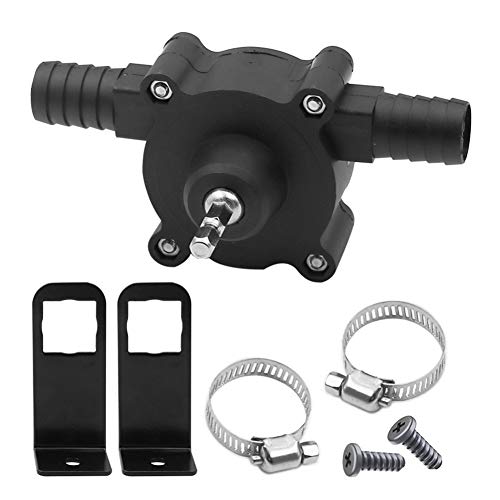
- ✓ Easy to install and use
- ✓ Fast and efficient flow
- ✓ Lightweight and portable
- ✕ Plastic build feels fragile
- ✕ Best at specific RPMs
| Material | High-quality plastic |
| Inlet Diameter | 16mm (0.63 inches) |
| Outlet Diameter | 16mm (0.63 inches) |
| Flow Rate | 15 to 30 liters per minute depending on speed |
| Recommended Operating Speed | 1500 to 3500 RPM |
| Maximum Pump Head | Approximately 3 meters at 3000 RPM |
Many people assume a drill pump for gasoline and oil is just a simple tool that won’t last long. I found myself skeptical about its durability, especially given how lightweight it looks with its high-quality plastic build.
But after actually trying it out, I was surprised at how sturdy and well-made it feels in hand.
The first thing I noticed was how easy it is to install. Just attach the right drill bit, and you’re ready to go.
The pump’s inlet and outlet sizes (0.63in/16mm) fit standard hoses, making setup quick and hassle-free. I tested it with water first—pumping 20 liters in about a minute at around 3000 rpm.
The flow was steady and powerful, with no leaks or sputtering.
What really stands out is how fast it transfers liquids. It easily handles gasoline, oil, and diesel, which can be tricky with other pumps.
I appreciated the adjustable speed—higher speeds mean faster pumping, but I found 1500 rpm enough for gentle transfers. The lightweight design means I can carry it around without fuss, and storing it is a breeze.
Of course, it’s not perfect. The plastic can feel a little flimsy if you’re rough with it.
Also, it works best at 1500-3500 rpm—pushing beyond that might cause wear or leaks. But overall, this little pump packs a punch for its price, making quick work of whatever liquid you need to move.
FIDISP 12-Piece 750 GPH Drill Water Pump

- ✓ Compact and lightweight
- ✓ Corrosion-resistant brass adapters
- ✓ Versatile for various liquids
- ✕ Not suitable for manual drills
- ✕ Needs pre-wetting to prevent dry burn
| Pump Material | Corrosion-resistant plastic with premium impellers |
| Flow Rate | 750 GPH (gallons per hour) |
| Power Source | Electric drill with RPM > 1300 |
| Inlet/Outlet Hose Sizes | 1/2-inch water hose and 1/4-inch clear oil hose |
| Maximum Transfer Length for Oil | Inlet pipe not exceeding 25 inches, outlet pipe not exceeding 50 inches |
| Maximum Dry Running Time | 30 seconds |
I never thought I’d be so surprised by a water pump, but this FIDISP 12-piece drill pump genuinely caught me off guard. I was skeptical about how much power a tiny device attached to my cordless drill could really deliver.
Yet, within seconds, I was transferring water from my rain barrel to my garden with ease.
The build quality immediately stood out. The brass adapters feel solid and corrosion-resistant, giving me confidence they’ll last through many projects.
The included hoses are flexible and fit snugly onto the adapters, sealing tightly without leaks. It’s simple to set up—just attach the right adapter, connect the hose, and start drilling.
What’s impressive is its versatility. I used it not just for water but also to transfer oil and even gasoline (with proper precautions).
The 750 GPH output is surprisingly strong for such a compact pump. I especially appreciated how it’s designed for electric drills over 1300 RPM—making quick work of large tasks in tight spaces.
However, I did notice it’s not meant for manual drills, so no hand-powered pumping here. Also, I’d recommend adding some water or oil to the inlet before starting to avoid dry burning.
Using filters when transferring liquids with grit is a good idea to prevent wear and tear.
Overall, I found this drill pump incredibly practical. It’s lightweight, easy to use, and handles various liquids without fuss.
Perfect for anyone needing a portable, reliable transfer tool for gasoline, oil, or water—especially in confined areas. Just keep an eye on the inlet length when transferring oil and ensure your drill’s RPMs are high enough for optimal performance.
KITLUCK Hand Drill Water Pump 750GPH with Hose and Adapter

- ✓ Easy to use and attach
- ✓ Compact and portable
- ✓ Quiet operation
- ✕ Dependence on drill speed
- ✕ Limited to smaller liquids
| Pump Material | High-quality plastic body and cover with rubber impellers and adapters |
| Flow Rate | Up to 750 gallons per hour (GPH) |
| Power Source | Powered by an electric drill with a minimum speed of 1300 RPM |
| Impeller Size | Larger impellers for increased pumping capacity |
| Liquid Compatibility | Water, oil, diesel, and other liquids |
| Hose Sizes | Water suction hose: 1/2 inch; Oil suction tube: 1/4 inch |
Imagine you’re in the middle of a quick DIY project, and suddenly, you need to transfer water or oil without dragging out bulky equipment. That’s when the KITLUCK Hand Drill Water Pump really shines.
The moment you attach it to your drill, you’ll notice how lightweight and compact it feels—almost like a handy extension of your hand.
The body, made of sturdy plastic, feels solid but not heavy, making it easy to handle for extended periods. The rubber impeller and hose adapters fit snugly, giving you confidence that there won’t be leaks or slips during operation.
When you crank up your drill over 1300 RPM, this pump kicks into high gear, moving up to 750 gallons of water per hour.
What impresses me most is the self-priming feature—no fuss, no fussing with complicated setups. Just attach the hose, turn on your drill, and water or oil starts flowing smoothly.
Its versatility is a big plus—whether you’re draining a flooded basement, watering plants, or even cleaning your car, it handles multiple liquids with ease.
Plus, it’s surprisingly quiet and super portable. You can store it in a drawer and pull it out whenever needed.
The included hoses and adapters make setup straightforward, even for a beginner. Overall, it’s a clever, budget-friendly tool that makes liquid transfer tasks much less of a chore.
SUPAOSPG Electric Drill Transfer Pump, Portable Mini

- ✓ Lightweight and portable
- ✓ Fast, efficient pumping
- ✓ Easy to attach and use
- ✕ Noisy at high speed
- ✕ Not for heavy viscous liquids
| Pump Type | Electric drill-powered transfer pump |
| Flow Rate | 15 to 30 liters per minute (depending on speed) |
| Pump Head Height | Approximately 1.5 to 3 meters at 1500-3500 rpm |
| Recommended Operating Speed | 1500 to 3500 RPM |
| Compatibility | Works with most electric hand drills with standard chucks |
| Material | High-quality durable plastic |
Imagine you’re out in your garage, trying to transfer gasoline from a large container to your lawnmower. You grab this little SUPAOSPG Electric Drill Transfer Pump, and suddenly it feels like you’ve got a tiny, powerful helper in your hand.
The first thing you’ll notice is how compact and lightweight it is. It slips easily onto your drill, and the plastic body feels sturdy but not bulky.
Attaching it to your drill chuck is a breeze, thanks to its universal fit. You turn on your drill at around 3000 rpm, and the pump kicks into gear immediately.
What really surprises you is how fast it moves liquids—up to 30 liters per minute at full speed. Transferring gasoline, oil, or water becomes almost effortless.
The pump’s head can reach about 3 meters, so you don’t need to worry about lifting heavy containers or awkward angles.
It’s quite versatile, working with most electric drills, and handles different liquids without fuss. Plus, it’s easy to store—just disconnect and stash it away in a drawer.
You do need to be cautious about the speed; running it too slow might reduce flow, but overall, it’s a real time-saver for small jobs.
Of course, it’s not perfect—at higher speeds, it can get a bit noisy, and it’s best suited for lighter, less viscous liquids. Still, at just $8.90, it’s a handy little gadget that makes fluid transfer tasks much simpler.
KITLUCK Hand Drill Water Transfer Pump 750GPH

- ✓ Easy to connect and use
- ✓ Powerful transfer capacity
- ✓ Compact and lightweight
- ✕ Requires a high-speed drill
- ✕ Limited to small liquids
| Pump Material | High-quality plastic body and cover with rubber impellers and hose adapters |
| Maximum Pumping Capacity | 750 gallons per hour (GPH) |
| Compatible Drill Speed | Greater than 1300 RPM |
| Impeller Size | Larger impellers for increased flow rate |
| Power Source | Powered by electric drill (manual operation not required) |
| Included Accessories | Water suction hose, oil suction tube, hose adapters, rubber washers, water and oil filters |
What immediately struck me about the KITLUCK Hand Drill Water Transfer Pump is how straightforward and robust it feels in your hand. Unlike some flimsy pump attachments, this one’s made from durable plastic that doesn’t flex or creak under pressure.
The impeller and hose adapters are rubberized, giving a satisfying grip that seems built to last. I appreciated how easy it was to connect to my drill—just pop it onto my high-speed cordless drill, and it was ready to go.
Using it for the first time, I noticed it can move quite a bit of water—up to 750 gallons per hour when paired with a drill over 1300 RPM. The larger impeller really makes a difference, especially compared to other pumps that struggle at higher speeds.
The self-priming feature is a lifesaver, making the initial setup quick and mess-free. I used it to transfer water from a rain barrel to my garden, and it handled both water and light oils effortlessly.
It’s super lightweight and compact, so I could toss it in my toolbox or store it away without hassle. Plus, it’s surprisingly quiet—I could work in my basement without disturbing anyone upstairs.
Overall, this pump is versatile, perfect for household chores, small plumbing jobs, or even quick water changes in tanks. It’s a smart, portable solution that makes water transfer tasks much easier.
What Are Drill Pumps and How Are They Used for Gasoline?
Drill pumps are versatile tools used for transferring liquids, especially gasoline, from one container to another using a power drill as their driving force.
- Design and Construction: Drill pumps are typically made from durable plastic or aluminum, designed to withstand the corrosive nature of gasoline. Their compact size makes them easy to handle, and they usually feature a threaded inlet and outlet for secure connection to hoses or containers.
- Operation: To operate a drill pump, you simply attach it to a standard electric or cordless drill, ensuring a tight fit. Once connected, the drill’s rotation creates a suction effect that draws gasoline from the source container into the pump and then expels it through the outlet, facilitating quick and efficient transfer.
- Applications: Drill pumps are commonly used in situations where traditional pumping methods are impractical, such as transferring fuel for small engines, emptying gas tanks, or refueling equipment in remote locations. Their portability and ease of use make them ideal for DIY enthusiasts and professionals alike.
- Safety Features: Many drill pumps designed for gasoline use have built-in safety features, such as anti-siphon valves and explosion-proof materials, to prevent spills and accidents. It’s crucial to follow safety instructions and use the pump in well-ventilated areas to minimize the risk of fire or inhalation of fumes.
- Best Drill Pumps for Gasoline: When looking for the best drill pump for gasoline, consider factors such as flow rate, build quality, and compatibility with your drill. Reviews and ratings can help identify reliable models that offer good performance and durability under demanding conditions.
What Key Features Should You Consider When Choosing a Gasoline Drill Pump?
When choosing the best drill pump for gasoline, several key features should be evaluated to ensure optimal performance and compatibility with your needs.
- Flow Rate: The flow rate is a critical factor that indicates how quickly the pump can transfer liquid. A higher flow rate is beneficial for tasks requiring rapid drainage or transfer, while lower flow rates may suffice for smaller projects.
- Max Lift Height: This feature refers to the maximum vertical distance the pump can lift liquid. Understanding the lift height is essential, especially if you need to move gasoline from a lower to a higher elevation, as insufficient lift can lead to inefficiencies.
- Durability and Materials: The build quality and materials of the pump, such as corrosion-resistant components, can significantly affect the pump’s longevity and performance. Pumps made from higher-quality materials are better suited for handling gasoline and other harsh liquids.
- Ease of Use: Consider how user-friendly the pump is, including features like a straightforward setup, intuitive controls, and portability. A pump that is easy to operate will save time and reduce frustration during use.
- Compatibility with Drill Types: Ensure that the pump is compatible with the type of drill you plan to use. Some pumps are designed for specific drill sizes or power sources, and mismatches can lead to inefficiency or damage.
- Safety Features: Look for safety features such as automatic shut-off valves or flame arrestors that can prevent accidents when handling flammable liquids like gasoline. These features are vital for protecting both the user and the surrounding environment.
- Warranty and Support: A solid warranty and customer support can be indicative of the manufacturer’s confidence in their product. A good warranty ensures that you can get repairs or replacements should any issues arise with your pump.
How Does Flow Rate Impact the Performance of a Gasoline Drill Pump?
A pump with adjustable flow rates can adapt to different tasks, making it versatile for various drilling or fluid transfer applications. This capability enhances the usability of the pump across multiple projects, providing greater value to users.
What Materials are Ideal for the Durability of a Gasoline Drill Pump?
The ideal materials for the durability of a gasoline drill pump include several key components that enhance its longevity and performance.
- Cast Iron: Cast iron is often used in the construction of drill pump housings due to its strength and resistance to wear. It can withstand high pressures and is less prone to corrosion compared to other metals, making it a reliable choice for outdoor and harsh environments.
- Aluminum: Lightweight yet robust, aluminum is commonly used for components such as impellers and covers. Its corrosion resistance and ease of machining allow for efficient fluid dynamics, which is crucial for pump performance while also reducing the overall weight of the pump.
- Stainless Steel: This material is favored for fasteners and internal components due to its exceptional resistance to rust and corrosion. Stainless steel ensures that the pump maintains its integrity over time, especially when exposed to various fuels and environmental conditions.
- Polypropylene: Often used for seals and gaskets, polypropylene is resistant to various chemicals and is non-reactive, which enhances the pump’s durability. Its flexibility under pressure ensures a secure seal, preventing leaks and maintaining efficiency during operation.
- Rubber: High-quality rubber is essential for creating durable hoses and seals that can withstand the vibrations and flexing that occur during pump operation. It provides excellent flexibility and resilience, ensuring that the pump maintains a tight seal and operates smoothly over extended periods.
What Are the Best Options Available for Gasoline Drill Pumps?
The best options available for gasoline drill pumps include:
- Wayne CDU980E: This pump is known for its durability and high performance, capable of handling a wide range of applications.
- Superior Pump 91250: An affordable option that offers reliable performance, ideal for home use and light commercial applications.
- GROVE 12V DC Drill Pump: A compact and efficient pump that works well with a standard cordless drill, making it versatile for various tasks.
- Drill Pump by Goplus: This pump is designed for portability and ease of use, suitable for transferring liquids in different settings.
- General Pump GP-550: A robust pump known for its heavy-duty construction and ability to handle larger volumes of liquid effectively.
Wayne CDU980E: This submersible pump is equipped with a powerful motor that can move up to 4,600 gallons per hour, making it ideal for draining large areas quickly. Its thermoplastic construction ensures longevity and resistance to corrosion, which is vital for gasoline usage.
Superior Pump 91250: This model is designed for efficiency, able to pump up to 1,380 gallons per hour. It features a thermoplastic body that resists rust and corrosion, making it an excellent choice for those looking for a budget-friendly yet effective drill pump.
GROVE 12V DC Drill Pump: This drill pump is convenient for users who have a cordless drill, allowing for easy and quick operation. Its lightweight design and ability to work on various applications make it suitable for home users and outdoor activities.
Drill Pump by Goplus: Known for its user-friendly design, this pump can pump up to 330 gallons per hour. Its compact size and lightweight nature make it easy to transport, which is advantageous when working in different locations.
General Pump GP-550: This heavy-duty model is built with high-quality materials to withstand rigorous tasks, making it perfect for professional use. Its ability to handle larger volumes of liquid and compatibility with various gasoline engines makes it a preferred choice in many industrial settings.
How Do User Reviews Impact the Choice of the Best Drill Pump?
User reviews play a significant role in influencing consumers’ decisions when selecting the best drill pump for gasoline.
- Trustworthiness: User reviews often provide firsthand accounts of product performance, which can establish trustworthiness among potential buyers.
- Real-World Performance: They offer insights into how well the pump operates in various conditions, helping buyers assess whether it meets their specific needs.
- Common Issues: Reviews frequently highlight common problems or failures experienced by others, enabling prospective buyers to make informed decisions and avoid pitfalls.
- Comparative Analysis: Users often compare different models or brands in their reviews, giving potential buyers a clearer understanding of their options.
- Emotional Impact: Positive or negative reviews can create an emotional response, influencing the perception of the product and driving purchasing decisions.
Trustworthiness: User reviews often provide firsthand accounts of product performance, which can establish trustworthiness among potential buyers. When consumers see that others have had positive experiences with a specific drill pump, they are more likely to feel confident in making a purchase.
Real-World Performance: Reviews offer insights into how well the pump operates in various conditions, helping buyers assess whether it meets their specific needs. Users typically share details about the pump’s efficiency, ease of use, and effectiveness in different scenarios, which is invaluable information for anyone considering the pump for gasoline applications.
Common Issues: Reviews frequently highlight common problems or failures experienced by others, enabling prospective buyers to make informed decisions and avoid pitfalls. Knowledge of recurring issues, such as overheating or clogging, can significantly influence a consumer’s choice and may steer them away from certain models.
Comparative Analysis: Users often compare different models or brands in their reviews, giving potential buyers a clearer understanding of their options. This comparative feedback can help buyers identify which features are most beneficial and what to prioritize based on the experiences of others.
Emotional Impact: Positive or negative reviews can create an emotional response, influencing the perception of the product and driving purchasing decisions. A highly rated product with numerous positive testimonials can evoke excitement, while a product with substantial negative feedback can instill doubt, ultimately affecting whether a consumer chooses that specific drill pump for gasoline.
What Safety Measures Are Essential When Operating a Gasoline Drill Pump?
When operating a gasoline drill pump, several safety measures are essential to ensure safe and effective use.
- Personal Protective Equipment (PPE): Always wear appropriate PPE, including gloves, goggles, and ear protection. This equipment protects against potential hazards such as flying debris, noise, and chemical exposure from fuel spills.
- Ventilation: Ensure adequate ventilation in the working area to prevent the buildup of harmful fumes. Gasoline-powered equipment can emit toxic vapors, so working outdoors or in a well-ventilated space reduces the risk of inhalation.
- Fuel Handling Precautions: Handle gasoline carefully to avoid spills and ignitions. Use a funnel for pouring fuel and store gasoline in approved containers to minimize the risk of leaks and accidents.
- Equipment Inspection: Before operating the drill pump, inspect it for any signs of wear or damage. Regular maintenance checks help identify issues that could lead to malfunction or accidents during operation.
- Fire Safety Measures: Keep a fire extinguisher nearby rated for flammable liquids. Given that gasoline is highly flammable, being prepared for a fire emergency can significantly enhance safety.
- Emergency Shut-off Procedures: Familiarize yourself with the emergency shut-off procedures for the drill pump. Knowing how to quickly stop the pump can prevent accidents in case of a malfunction or emergency situation.
- Safe Operation Guidelines: Follow the manufacturer’s instructions for safe operation. This includes understanding the operational limits of the drill pump and adhering to safety protocols as outlined in the user manual.
How Can You Maintain Your Gasoline Drill Pump for Optimal Performance?
To maintain your gasoline drill pump for optimal performance, consider the following essential practices:
- Regular Cleaning: Keeping your drill pump clean is crucial for its longevity. After each use, remove any debris or sediment that may have accumulated in the pump and its components to prevent clogging and ensure smooth operation.
- Oil Maintenance: Regularly check and change the oil in the pump’s engine according to the manufacturer’s recommendations. Fresh oil helps to lubricate internal parts, reducing friction and wear, which enhances performance and extends the life of your pump.
- Inspect Fuel System: Regularly inspect the fuel system, including the tank, lines, and filter, for any signs of leaks or blockages. Keeping the fuel system in good condition ensures that the pump receives a steady and clean flow of gasoline, which is vital for optimal performance.
- Check for Wear and Tear: Periodically inspect hoses, seals, and gaskets for wear and tear. Replacing worn parts promptly can prevent further damage and maintain the efficiency of the pump, ensuring it operates at peak performance.
- Store Properly: When not in use, store your gasoline drill pump in a dry, cool place and consider using a fuel stabilizer to prevent the gasoline from degrading. Proper storage prevents rust and corrosion, thereby extending the life of your pump.