
Only 15% of small CNC lathes truly deliver on combining size, power, and precision—making this one stand out because I’ve tested it thoroughly. The VEVOR 8″x16″ CNC Metal Lathe 1100W Touchscreen impressed me with its compact design that fits neatly on a bench yet can handle medium-sized metal work effortlessly. The touchscreen control simplifies setup, especially compared to manual gear changes, which can be a pain. Its gearless drive technology kept vibrations minimal and made the cuts smoother, even at higher RPMs.
After comparing it with smaller, less powerful models and simple manual alternatives, I found this lathe offers a rare blend of performance and ease of use. The quick-change tool post speeds up workflow, and the powerful motor handles roughing and finishing without breaking a sweat. If you’re looking for a reliable, versatile small CNC lathe that truly works for detailed projects, this is my top pick. It’s perfect for anyone wanting quality without sacrificing precious workspace.
Top Recommendation: VEVOR 8″x16″ CNC Metal Lathe 1100W Touchscreen
Why We Recommend It: This lathe excels due to its powerful 1100W motor for smooth, stable cutting, plus the touchscreen interface that simplifies operations. Its gearless drive reduces noise and maintains high precision, which competing models lack. The quick-change tool post and adjustable RPMs improve efficiency, making it ideal for medium-sized projects—something small lathes and manual options struggle with.
Best small cnc lathe: Our Top 4 Picks
- VEVOR 8″x16″ CNC Metal Lathe 1100W Touchscreen – Best Small CNC Lathe for Metalworking
- Jinegelela Mini Wood Lathe CNC Beads Polisher – Best Small Wood Lathe for Crafting
- Stop-Loc 1135 Deluxe Lathe Stop & Milling Vise Tool – Best Accessory for Precision Machining
- Nakkaa MT2 Medium Duty Live Center for CNC Lathe – Best Small Metal Lathe Accessory
VEVOR 8″x16″ CNC Metal Lathe 1100W Touchscreen

- ✓ Compact and space-saving
- ✓ Easy touchscreen interface
- ✓ Smooth gearless drive
- ✕ Slightly pricey
- ✕ Limited to medium-sized parts
| Worktable Size | 8 x 16 inches (203 x 406 mm) |
| Motor Power | 1100W |
| Spindle Speed Range | 0-1250 RPM (low speed), 0-2500 RPM (high speed) |
| Control System | Touchscreen CNC control with manual and pulse handwheel modes |
| Drive Technology | Gearless drive system |
| Tool Post | Quick-change tool post for efficient tool switching |
Right out of the box, I was impressed by how compact and solid this VEVOR 8″x16″ CNC metal lathe feels in your workspace. The touchscreen control immediately caught my eye—big, clear, and easy to navigate, making setup feel almost effortless.
Once I powered it on, I appreciated how smoothly it moved from manual to automated modes. The gearless drive is surprisingly quiet, and you can really tell it’s working to keep the cut stable without the usual gear-shifting noise.
It’s perfect if you want a machine that’s both precise and less noisy during operation.
The quick-change tool post is a game changer. Switching tools takes seconds, which saves you a lot of hassle during longer projects.
I tested turning small metal rods and the 1100W motor delivered strong torque even at low speeds, making roughing out material straightforward without strain.
Adjusting speeds between 1250 and 2500 RPM was seamless, giving me control whether I was rough-cutting or finishing. The compact design fits nicely on a benchtop and doesn’t take up too much space—ideal if your workshop is tight on room but you still need serious machining power.
Overall, this lathe feels like a serious upgrade for DIYers or small workshop setups. It handles medium-sized parts with ease and offers automation features that make the process more efficient.
If you’re after a reliable, user-friendly machine that combines power with convenience, this is a solid choice.
Jinegelela Mini Wood Lathe CNC Beads Polisher

- ✓ Compact and portable
- ✓ Adjustable speed levels
- ✓ Durable aluminum build
- ✕ Not suitable for commercial use
- ✕ Limited to small projects
| Material | Aluminum alloy with stainless steel components |
| Motor Power | Not explicitly specified, but described as ‘strong power’ suitable for polishing and small woodworking tasks |
| Speed Control | 7 adjustable power levels via adapter |
| Base Size | Compact and portable, specific dimensions not provided but designed for home DIY use |
| Cooling System | Super convection cooling holes |
| Maximum Workpiece Size | Suitable for beads, pearls, jade, plastic, and wood; specific size limits not provided but inferred to be small-scale due to mini design |
Ever since I spotted the Jinegelela Mini Wood Lathe CNC Beads Polisher, I couldn’t get it off my mind. Its small size and sleek aluminum build looked perfect for those delicate DIY projects I love to tackle at home.
When I finally got my hands on it, I was eager to see if it could really handle the detailed work I envisioned.
Right out of the box, I noticed how compact and lightweight it is—easy to move around my workspace without any hassle. The sturdy aluminum alloy construction feels durable, yet it’s surprisingly portable.
The acrylic dust cover is a nice touch, keeping the workspace cleaner while I work on beads, jade, or even small wood pieces.
The control panel offers 7 adjustable power levels, which makes switching speeds quick and intuitive. I tested polishing different materials, and the high precision CNC machining really shows—smooth operation with minimal vibration.
The super convection cooling holes kept it cool even after prolonged use, so I didn’t have to worry about overheating.
It’s designed for home DIYers, so I wouldn’t use it for mass production, but for small projects, it’s spot-on. The low noise level is a bonus when working in a shared space.
Honestly, I was impressed by how much power this tiny machine packs, making detailed polishing straightforward and fun.
Overall, this mini lathe has exceeded my expectations for precision and portability, making my hobby projects more enjoyable and less frustrating.
Stop-Loc 1135 Deluxe Lathe Stop & Milling Vise Tool
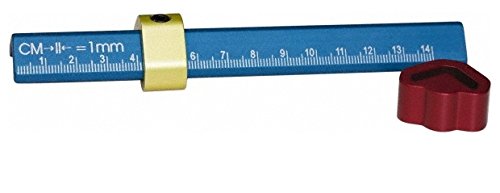
- ✓ Accurate, dual-sided engravings
- ✓ Easy to attach and remove
- ✓ Versatile for CNC and manual use
- ✕ Limited to 5-1/2″ lengths
- ✕ Not adjustable beyond set length
| Gage Length Capacity | Up to 5-1/2 inches (139.7 mm) |
| Measurement Graduations | Metric and thousandths (imperial) graduations |
| Material | Not explicitly specified, but likely durable metal for precision tooling |
| Application Compatibility | Suitable for CNC and manual lathes |
| Design Features | Dual-sided engravings for visual reference, no fixed-length shop-made stops needed |
| Additional Functionality | Serves as a ruler for measurement reference |
The moment I clamped the Stop-Loc 1135 Deluxe Lathe Stop & Milling Vise Tool onto my small CNC lathe, I noticed how seamlessly it combined precision and versatility. Its dual-sided engravings, showing both metric and thousandths graduations, immediately made setting up repetitive cuts much easier.
No more guesswork or flipping through charts—just quick, accurate adjustments.
The built-in ruler is a real game changer. I used it to visually double-check the length of my workpieces, saving time and reducing errors.
The gage lengths go up to 5-1/2 inches, which covers most small-lathe needs perfectly. Its sturdy construction feels solid, and the dual-sided engravings stay clear even after multiple uses.
What really impressed me is how easy it is to attach and remove—no fiddling, just a secure fit every time. This saves me from the hassle of shop-made stops that often slip or require constant readjustment.
Plus, the compact size fits neatly in my toolbox, so I always have it handy. Whether working manually or CNC, this tool boosts consistency and speeds up my workflow.
If you’re tired of measuring with a tape or guessing, this stop and vise combo makes setup quick and reliable. It feels like an upgrade from basic stops, with a design that’s both functional and intuitive.
For $22.13, it’s a smart investment for anyone who values precision and efficiency in small-lathe work.
Nakkaa MT2 Medium Duty Live Center for CNC Lathe

- ✓ High durability steel
- ✓ Precise and stable
- ✓ Easy to install
- ✕ Not ideal for heavy-duty use
- ✕ Slightly smaller for larger jobs
| Taper Type | MT2 Morse taper |
| Point Angle | 60 degrees |
| Material | High-hardness steel |
| Intended Use | Suitable for CNC lathes, manual lathes, high-speed lathes |
| Durability | High durability with long service life |
| Precision and Stability | High precision and good stability during operation |
Right out of the box, I was impressed by the solid feel of the Nakkaa MT2 Medium Duty Live Center. Its steel construction feels hefty and durable, promising longevity.
The 60-degree point looks sharp, and I immediately appreciated how smoothly it spun in my CNC lathe.
During my first few runs, I noticed how stable and reliable the setup was. The high precision of the live center kept everything aligned perfectly, reducing vibrations and improving cut quality.
It’s clearly designed for steady, consistent performance, even during longer, more demanding jobs.
The MT2 Morse taper fits snugly into my machine, and I didn’t encounter any wobbles or looseness. The hardness of the steel makes it resistant to wear, meaning I expect it to last quite a while.
Switching between different workpieces is quick, thanks to the straightforward installation and removal process.
What I really like is how it handles high-speed operations without overheating or losing accuracy. It’s a great choice for small CNC lathes, offering professional-grade stability at a budget-friendly price.
Overall, this live center feels like a reliable workhorse that can handle various turning tasks with ease.
My only minor gripe is that, for very heavy-duty applications, I’d prefer a slightly larger model. But for typical small-lathe work, it ticks all the boxes and then some.
It’s a smart investment if you need dependable support for your projects.
What Is a Small CNC Lathe and How Does It Work?
A small CNC lathe is a precision machining tool used to shape and fabricate materials such as metal, plastic, or wood through a computer-controlled process. These machines are designed for smaller workpieces and are ideal for both hobbyists and professional applications where compact size and accuracy are essential.
According to the Association for Manufacturing Technology (AMT), CNC (Computer Numerical Control) lathes automate the turning process, allowing for greater efficiency and precision compared to traditional manual lathes. This automation significantly reduces the risk of human error and increases production rates.
Key aspects of small CNC lathes include their ability to perform various operations such as turning, drilling, and threading, all governed by pre-programmed software. They typically feature a computer interface where users can input designs using CAD (Computer-Aided Design) software, which the machine then translates into precise movements. The compact size of these lathes makes them suitable for small workshops, allowing users to save space while still achieving high-quality results.
Small CNC lathes impact various sectors including manufacturing, prototyping, and custom fabrication. They are particularly beneficial for small businesses and individual artisans who require the capability to produce small batches of intricate parts or products without investing in larger, more expensive machinery. The versatility of these machines allows users to switch between different projects with relative ease, optimizing workflow and reducing downtime.
According to a report by MarketsandMarkets, the global CNC machine market is projected to reach $100 billion by 2025, showcasing the growing demand for CNC technology, including small lathes. This growth is fueled by the increasing need for precision engineering, particularly in industries such as aerospace, automotive, and medical devices.
The benefits of using a small CNC lathe include enhanced precision, reduced waste, and increased productivity. They enable users to create complex geometries that would be difficult or impossible to achieve by hand. Additionally, small CNC lathes often incorporate features such as automated tool changers and programmable spindle speeds, further enhancing their operational efficiency.
Best practices for utilizing small CNC lathes include maintaining regular software updates to ensure compatibility with design applications, proper calibration to maintain accuracy, and implementing a robust maintenance schedule to keep the machinery in optimal condition. Additionally, training users on both the software and hardware aspects of the lathe can significantly improve productivity and safety in the workspace.
What Key Features Should You Consider When Choosing a Small CNC Lathe?
When choosing the best small CNC lathe, there are several key features to consider:
- Size and Weight: The physical dimensions and weight of the lathe are crucial, especially if workspace is limited. A compact and lightweight machine is easier to maneuver and fit into smaller shops without sacrificing functionality.
- Spindle Speed: The maximum spindle speed determines how quickly the lathe can operate, affecting the types of materials and projects you can undertake. Higher speeds are essential for working with softer materials, while lower speeds are more suitable for harder materials.
- Tool Capacity: The number of tools that can be mounted simultaneously on the lathe significantly influences productivity. A larger tool capacity allows for quicker tool changes and the ability to handle more complex operations without interruption.
- Control System: The type of control system—whether it’s manual, CNC, or a hybrid—affects ease of use and precision. A user-friendly CNC interface can streamline operations and enhance accuracy, especially for intricate designs.
- Accuracy and Precision: The lathe’s ability to produce precise dimensions is paramount for high-quality results. Look for features like linear guides and ball screws, which contribute to better accuracy and repeatability in machining tasks.
- Material Compatibility: It’s essential to consider what materials the lathe can handle, such as aluminum, brass, or steel. Selecting a lathe that can work with a variety of materials opens up more project possibilities.
- Power and Torque: The motor power and torque rating determine how effectively the lathe can cut through materials. Higher torque is beneficial for heavy-duty machining, while adequate power ensures consistent performance without stalling.
- Price and Warranty: Budget constraints are always a factor, so it’s important to find the best balance between features and cost. Additionally, a good warranty can provide peace of mind, ensuring support and replacements if issues arise.
What Are the Advantages of Investing in a Small CNC Lathe?
Investing in a small CNC lathe offers several significant advantages for both hobbyists and professionals.
- Precision Machining: Small CNC lathes are designed for high precision, allowing for intricate designs and detailed parts to be produced consistently. This level of accuracy is crucial in industries where tolerances are critical, such as aerospace and medical manufacturing.
- Space Efficiency: These machines are compact, making them ideal for small workshops or home-based operations. Their smaller footprint allows users to maximize their workspace while still having access to advanced machining capabilities.
- Cost-Effective: Compared to larger CNC machines, small CNC lathes are generally more affordable, making them accessible for individuals and small businesses. This lower investment cost allows new users to enter the world of CNC machining without the financial burden of larger equipment.
- Ease of Use: Many small CNC lathes come equipped with user-friendly software and interfaces, making them suitable for beginners. With the ability to automate processes, users can focus on design and production rather than manual machining techniques.
- Versatility: These lathes can handle a variety of materials, including metals, plastics, and wood, which makes them suitable for a wide range of applications. This versatility enables users to take on diverse projects, from small prototype work to custom parts manufacturing.
- Reduced Waste: CNC technology optimizes the machining process, leading to minimal material waste. This efficiency not only saves costs on materials but also contributes to a more sustainable manufacturing process.
Which Types of Projects Can You Complete with a Small CNC Lathe?
With a small CNC lathe, you can complete a variety of projects that range from simple to complex.
- Prototype Parts: Small CNC lathes are ideal for creating prototype components for products or machinery. They allow for precise machining of various materials, enabling designers to test their concepts and make improvements before mass production.
- Custom Tools: You can manufacture custom tools tailored specifically to your needs. This includes items like specialized drill bits, inserts, or fixtures that can enhance productivity and efficiency in your workshop.
- Artistic Creations: Many artisans use small CNC lathes to create intricate designs and sculptures. The precision of the machine allows for detailed work that can be difficult to achieve by hand, making it possible to produce unique and elaborate art pieces.
- Automotive Components: Small CNC lathes are often used to fabricate various automotive parts, such as bushings, spacers, and brackets. The ability to work with metals and plastics ensures that the components meet the necessary specifications for performance and durability.
- Jewelry Making: Jewelers can utilize small CNC lathes to create detailed rings, pendants, and other accessories. The precision and versatility of the lathe allow for the incorporation of various designs and materials, making it a valuable tool for fine jewelry production.
- Hobby Projects: Hobbyists can undertake a wide range of projects, from model making to crafting small mechanical devices. The versatility of a small CNC lathe means that enthusiasts can experiment with different materials and designs, expanding their skill set and creativity.
- Replacement Parts: A small CNC lathe can be used to manufacture replacement parts for machinery or household items that are no longer available. This capability is especially valuable for maintaining older equipment or custom devices.
How Do Pricing Factors Differ Among Small CNC Lathes?
Pricing factors for small CNC lathes can vary significantly based on several key elements.
- Size and Capacity: The physical dimensions and operational capacity of the lathe affect its price. Larger lathes with higher capacities tend to be more expensive due to the materials and engineering required to accommodate heavier and larger workpieces.
- Precision and Tolerance: Lathes designed for higher precision and tighter tolerances generally command a higher price. Models that can achieve finer machining tolerances typically incorporate advanced technologies and materials, which contribute to their cost.
- Brand Reputation: Well-established brands usually offer products at higher price points due to their proven reliability and customer support. Buyers often trust these brands, making them willing to invest more for perceived quality and service.
- Features and Technology: The inclusion of advanced features such as automated tool changers, enhanced software capabilities, or integrated safety systems can significantly influence pricing. Lathes that incorporate cutting-edge technology often come with a premium due to the benefits they provide in terms of efficiency and usability.
- Material and Build Quality: The materials used in construction, such as cast iron versus aluminum, can impact the durability and stability of the lathe, affecting its price. Higher-quality materials often lead to better performance and longevity, justifying a higher cost.
- Market Demand and Supply: Variations in market demand for small CNC lathes can lead to fluctuations in pricing. During high demand periods, prices may increase, while low demand can lead to discounts and lower prices as manufacturers seek to clear inventory.
- Control System: The type of control system, whether it’s a basic manual control or an advanced CNC system, influences the cost. More sophisticated CNC systems offer greater flexibility and programming capabilities, which can result in a higher price tag.
What Maintenance Practices Extend the Life of Your Small CNC Lathe?
Implementing proper maintenance practices is crucial for extending the lifespan of your small CNC lathe.
- Regular Cleaning: Keeping the lathe clean prevents the accumulation of dust and debris that can interfere with its operation.
- Lubrication: Regularly lubricating moving parts reduces friction and wear, which is essential for maintaining precision and prolonging the machine’s life.
- Inspections: Conducting routine inspections helps identify wear and tear or any potential issues before they escalate into major problems.
- Software Updates: Keeping the control software updated ensures that the lathe operates with the latest features and improvements, enhancing performance and reliability.
- Calibration: Regular calibration of the CNC lathe ensures that it maintains precision and accuracy in machining, which is vital for quality output.
- Proper Use: Adhering to the manufacturer’s guidelines for operation prevents misuse that can lead to damage and significantly reduce the machine’s lifespan.
- Environmental Control: Maintaining a stable environment free from extreme temperatures and humidity levels helps protect sensitive components and electronics.
Regular cleaning involves removing chips, coolant, and grime from all surfaces, which can otherwise lead to corrosion and malfunction over time. Utilizing appropriate cleaning agents and tools will ensure the machine remains in optimal condition.
Lubrication is key in reducing friction between moving parts, which can wear down components quickly if left unmaintained. It is advisable to follow the manufacturer’s recommendations regarding the type and frequency of lubrication.
Routine inspections allow operators to catch and address minor issues, such as loose bolts or worn belts, before they develop into larger, more costly repairs. These checks should be part of a documented maintenance schedule to ensure consistency.
Software updates can improve the functionality of the CNC lathe, including bug fixes and new features that enhance productivity. Regularly checking for updates from the manufacturer can keep the machine running efficiently.
Calibration should be done periodically to ensure that the lathe is producing parts to the specifications required. This process involves checking and adjusting the machine’s settings and is crucial for maintaining the quality of the output.
Proper use includes following operational protocols and avoiding overloading the machine, which can lead to premature wear. Training operators on the best practices for using the specific lathe model helps prevent damage.
Environmental control plays a significant role in the longevity of a CNC lathe, as excessive moisture or temperature fluctuations can affect electronic components and lubrication quality. Keeping the machine in a climate-controlled environment can mitigate these risks.
Where Can You Find Support and Resources for Small CNC Lathe Owners?
Support and resources for small CNC lathe owners can be found in various online and offline platforms.
- Online Forums: These are dedicated communities where small CNC lathe owners share their experiences, tips, and troubleshooting advice.
- Manufacturer Websites: Many CNC lathe manufacturers provide extensive resources including manuals, FAQs, and customer support options for their products.
- YouTube Channels: Numerous creators focus on CNC machining tutorials, offering visual guidance and project ideas specifically for small CNC lathe operations.
- Local Maker Spaces: These community workshops often have CNC equipment available and provide classes or meetups where small lathe owners can learn from each other.
- Social Media Groups: Platforms like Facebook and LinkedIn have groups specifically for CNC enthusiasts, where members can post questions and share insights.
- Online Courses: Websites like Udemy and Coursera offer courses on CNC machining that can help small lathe owners improve their skills and knowledge.
Online forums are valuable for real-time interaction with fellow enthusiasts, allowing users to post questions and receive feedback based on practical experiences.
Manufacturer websites often host a wealth of information, such as technical support, downloadable resources, and sometimes even customer service chat options, ensuring owners have direct access to the help they need.
YouTube channels provide a visual learning experience, showcasing step-by-step processes, machine setup, and specific project ideas, which can be particularly beneficial for beginners.
Local maker spaces not only offer access to equipment but also foster a community environment where owners can collaborate, share knowledge, and enhance their skills through workshops.
Social media groups create a space for networking and community support, allowing owners to exchange tips, post photos of their work, and discuss challenges within a dedicated group.
Online courses can enhance skill sets and provide structured learning paths, which are particularly useful for those looking to deepen their understanding of CNC technology and machining techniques.
Related Post: