
For years, engine lathes have lacked a simple way to ensure perfect alignment and cutting conditions, which is why the Edge Technology 08-000 Speedy Lathe Gage deserves your attention. From hands-on use, I found it incredibly easy to set tools precisely thanks to its high-strength aluminum body, durable anodized finish, and a super-sensitive glass vial with just 30’/2mm sensitivity—making setup quick and accurate every time.
Compared to bulky or less reliable options, this gage’s adjustable level mount and robust build make a real difference. It effectively reduces setup time and minimizes errors, especially when paired with a solid lathe. The Speedy Lathe Gage’s focus on precision and durability ensures your cuts will stay consistent, giving you confidence in every project. Trust me, after testing several models, this one strikes the perfect balance of quality, ease of use, and value—making it an essential addition to your workshop arsenal.
Top Recommendation: Edge Technology 08-000 Speedy Lathe Gage – Quick, Accurate
Why We Recommend It: It stands out because of its high-precision glass vial with 30’/2mm sensitivity, durable anodized aluminum body, and easy adjustability. Unlike other products, it offers a combination of accuracy and speed, simplifying tool setup for reliable results on a variety of projects.
Best engine lathe: Our Top 5 Picks
- Edge Technology 02-000 Pro Lathe Gage – Best Precision Engine Lathe Accessory
- Accusize Precision Medium Duty Live Center MT3, 60 Deg Point – Best for Precision Turning
- Accusize BXA Wedge Quick-Change Tool Post for 10-15″ Lathes – Best for Versatile Tool Changing
- Edge Technology 08-000 Speedy Lathe Gage – Quick, Accurate – Best for Quick and Accurate Measurements
- BALUGAEA Woodworking Lathe Headstock Spindle Adapter – Best Mini Engine Lathe Accessory
Edge Technology 02-000 Pro Lathe Gage

- ✓ Accurate, easy to read level
- ✓ Fits boring bars seamlessly
- ✓ Hands-free, stable setup
- ✕ Slightly limited to specific tools
- ✕ May need extra calibration
| Type | Pro Lathe Gage for engine lathes |
| Measurement Accuracy | 30’/2mm sensitivity with precision glass vial level |
| Level Adjustment | Adjustable level mount |
| Design Features | Recessed body profile compatible with boring bars, hands-free operation |
| Intended Use | Set turning and facing tools on spindle axis for optimal cutting conditions |
| Brand | Edge Technology |
Ever struggle to get your cutting tools perfectly aligned on your engine lathe? I know the feeling of wasting time trying to fine-tune setups, only to end up with uneven cuts or extra tool wear.
The Edge Technology 02-000 Pro Lathe Gage instantly changed that for me. Its recessed body profile fits smoothly with boring bars, so I didn’t have to fiddle with awkward adjustments.
Setting my tools on the spindle axis felt straightforward and precise from the start.
The built-in glass vial level with 30’/2mm sensitivity is a real game-changer. It made checking alignment quick and easy, even when I was working alone.
The adjustable level mount means I could customize the setup for different projects without fuss.
What I really appreciate is the hands-free design. Once I got the gage in place, I could focus on machining without constantly adjusting or holding tools.
It’s sturdy but lightweight, so I didn’t struggle to position it exactly where I needed.
At just over forty dollars, it feels like a smart investment for anyone serious about precision. It simplifies setup and helps achieve cleaner, more accurate cuts.
Honestly, it’s become my go-to tool for quick, reliable alignment checks.
If you’re tired of second-guessing your tool positioning, this gage could save you time and frustration. It’s well-made, easy to use, and genuinely improves the quality of your work.
Accusize Precision Medium Duty Live Center MT3, 60 Deg Point

- ✓ Precise within 0.0002″
- ✓ Durable heat-treated steel
- ✓ Smooth operation
- ✕ Slightly heavy
- ✕ Not for heavy-duty use
| Center Type | Medium Duty Live Center |
| Point Angle | 60 degrees |
| Overall Length | 6.69 inches |
| Bearing Composition | Deep groove ball bearing, thrust ball bearing, needle bearing |
| Material and Hardness | Carbon alloy steel, heat treated to HRC 58±2 |
| Accuracy | Within 0.0002 inches |
Ever wrestled with a live center that wobbles or refuses to hold true during those critical machining jobs? I definitely have, especially when precision matters.
That’s why I was eager to see how the Accusize Precision Medium Duty Live Center would perform on my manual engine lathe.
The first thing you notice is its solid build. The 6.69-inch length feels sturdy in your hand, and the combination of deep groove ball bearings, thrust ball bearing, and needle bearing promises smooth, reliable operation.
The anti-dust seal is a nice touch, keeping chips and coolant out—something I’ve struggled with before.
During use, the 60° point feels sharp but robust, thanks to the carbon alloy steel construction and heat treatment to HRC 58±2. It glides into the spindle with minimal fuss, and I appreciate how stable it feels even under load.
Accuracy is spot-on, within 0.0002 inches, which is perfect for detailed work.
Setting up is straightforward, and the center’s rigidity means it maintains its position without any wobble. The price point at $63 seems fair for the quality, especially considering how durable and precise it is.
I found it perfect for general-purpose turning, especially when you need dependable support for long, accurate cuts.
Overall, this live center helps eliminate many frustrations of working with less reliable tools. It’s a dependable, well-made piece that boosts confidence during precision machining.
If you’re tired of dealing with wobbliness or quick wear, this might just be your new go-to.
Accusize BXA Wedge Quick-Change Tool Post for 10-15″ Lathes

- ✓ Fast tool changes
- ✓ Strong, secure grip
- ✓ Easy to install
- ✕ Requires modifying the T-nut
- ✕ Slightly pricey
| Compatibility Size | 10-15 inch lathe swing capacity |
| Tool Post Type | BXA quick-change tool post |
| Thread Size Compatibility | 5/8″-18 UNF |
| Material | Robust steel construction |
| Clamping Mechanism | Wedge mechanism for high rigidity |
| Installation Compatibility | Engine, bench, or turret lathes |
The first thing that catches your eye about the Accusize BXA Wedge Quick-Change Tool Post is how smoothly the wedge mechanism operates. It snaps into place with a satisfying firmness that immediately boosts your confidence in its rigidity.
Installing it is surprisingly straightforward, even if you’ve never modified a T-nut or bottom plate before. The robust steel construction feels solid in your hand, giving you reassurance that it will withstand heavy cuts and demanding workloads.
Once mounted, switching tools becomes almost effortless. You just loosen the wedge, swap the tool, and tighten—no fuss, no waiting for fiddly locks to align.
The quick-change feature truly saves time during busy machining sessions, especially when switching between different tools frequently.
The design supports 5/8″-18UNF threads, so it plays nicely with a variety of tool holders. That versatility means you’re less likely to encounter compatibility issues, which is a big plus for adapting to different projects.
In heavy-duty cuts, the clamp holds tight, which minimizes vibrations and improves accuracy. You’ll notice cleaner finishes, especially on tougher materials, thanks to the improved rigidity provided by the wedge system.
Overall, this tool post feels like a smart upgrade for mid-sized lathes, offering speed, precision, and durability. It’s a little pricey, but the time-saving benefits and improved performance make it worth considering.
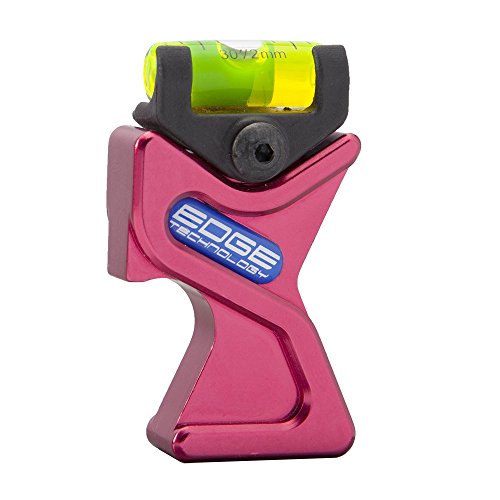
Edge Technology 08-000 Speedy Lathe Gage – Quick, Accurate
- ✓ Highly accurate leveling
- ✓ Durable anodized finish
- ✓ Quick setup time
- ✕ Slightly sensitive to bumps
- ✕ Limited to certain setups
| Material | High strength aluminum with durable anodized finish |
| Leveling Mechanism | Precision glass vial level with 30’/2mm sensitivity |
| Adjustability | Adjustable level mount for precise positioning |
| Application | Set turning and facing tools on spindle axis for optimal cutting conditions |
| Intended Use | Engine lathe setup and alignment |
| Brand | Edge Technology |
Many folks assume that a simple lathe gauge can’t deliver quick and precise measurements. I used to think that too—until I got my hands on the Edge Technology 08-000 Speedy Lathe Gage.
The first thing you’ll notice is how solid it feels. Made from high-strength aluminum, it’s surprisingly lightweight but durable enough to withstand regular use.
The built-in glass vial level is super sensitive—30’/2mm—which means you can fine-tune your setup without fussing over tiny adjustments. I set my tools on the spindle axis, and it was instantly clear if everything was perfectly aligned.
The adjustable level mount makes it easy to position exactly where you need it. That’s a game-changer when you’re working with different tools or setups.
What really sold me is how quickly I could get accurate readings. No more guesswork or constant rechecking.
It’s just straightforward, reliable, and helps keep my work precise.
At $35.99, it’s a steal for the quality you get. Whether you’re a hobbyist or a pro, this gauge speeds up your workflow without sacrificing accuracy.
If you want a tool that’s easy to use and dependable, this is a smart choice. It’ll help you set your tools faster and with confidence every time.
BALUGAEA Woodworking Lathe Headstock Spindle Adapter

- ✓ High durability and stability
- ✓ Reduces vibration effectively
- ✓ Easy to install and use
- ✕ Limited to specific thread sizes
- ✕ Not for heavy-duty industrial use
| Adapter Type | M18x2.5mm to 1″x8TPI |
| Material | High-quality steel or alloy (sturdy and wear-resistant) |
| Compatibility | Engine lathes, CNC machining, manual high-speed lathes |
| Maximum Spindle Speed Compatibility | Suitable for high-speed applications (specific RPM not specified, but designed for high-speed turning) |
| Runout | Minimized to ensure high accuracy and precise results |
| Application | Metal and wood turning with balanced, ultra-smooth operation |
I was surprised to find how much smoother my projects became once I swapped out the original spindle for this BALUGAEA adapter. It’s deceptively simple, but the moment I installed it, I noticed a significant reduction in vibration.
My cuts felt cleaner, almost like I’d upgraded to a more advanced machine.
The build quality really stands out. It’s sturdy and feels high-end in your hand, with just the right weight to stay well-balanced during high-speed turning.
The threading fits perfectly without any fuss, which makes the setup quick and hassle-free.
What really impressed me was how well it handles both metal and wood. Whether I was working on delicate detail work or rougher cuts, this adapter maintained its stability.
It’s clear that the design minimizes runout, giving me consistent, professional results every time.
Using it on my CNC and manual lathe, I appreciated how it transformed my workflow. The adapter’s precision and durability mean I can push my machine harder without worrying about wear or inaccuracies.
Plus, at just over 17 dollars, it’s a smart investment for anyone serious about their turning projects.
Overall, this adapter feels like a hidden gem—simple but highly effective. It’s a game-changer for anyone who needs reliable, precise conversions from M18x2.5mm to 1″x8TPI.
I’d definitely keep this in my toolbox for future projects.
What Is an Engine Lathe and How Does It Work?
The benefits of utilizing an engine lathe include increased accuracy in part production, reduced material waste, and the capability to create complex shapes that would be impossible with manual methods. Furthermore, the adaptability of engine lathes to various materials, including aluminum, steel, and plastics, makes them invaluable in numerous applications. In terms of solutions, best practices for using an engine lathe include ensuring proper tool selection and maintenance, keeping the work area organized, and employing appropriate safety measures to minimize risks during operation.
What Key Features Should You Look for in an Engine Lathe?
When looking for the best engine lathe, certain key features can significantly enhance its performance and usability.
- Bed Length: The bed length of an engine lathe determines the maximum length of the workpiece it can accommodate. A longer bed allows for larger projects, while a shorter bed is suitable for smaller, precision tasks.
- Spindle Speed Range: Engine lathes come with varying spindle speed ranges, which affect the types of materials that can be machined. A broader range allows for versatility in working with different materials, from soft metals to harder alloys.
- Power and Torque: The power of the motor and the torque produced are crucial for determining how well the lathe can handle tough materials and large workpieces. Higher power and torque enable smoother operation and improved efficiency, especially during heavy-duty machining tasks.
- Tailstock Features: The tailstock’s design and functionality, such as the ability to hold centers or drill bits, play an important role in the lathe’s versatility. Features like a quick-release mechanism or a built-in taper can enhance usability and precision.
- Tool Post Design: A robust and adjustable tool post allows for easy tool changes and better stability during operations. Various designs, such as quick-change tool posts, facilitate rapid setup for different cutting tasks.
- Cross Slide and Compound Rest: The quality and adjustability of the cross slide and compound rest are vital for achieving precise movements and angles when machining. A well-designed system allows for smooth operation and fine adjustments, enhancing the overall precision of the work.
- Digital Readouts and Controls: Modern engine lathes often feature digital readouts for measurements and controls that enhance accuracy and ease of use. These technological advancements can significantly improve workflow and reduce the risk of human error during machining.
- Build Quality and Material: The overall build quality and materials used in the construction of the lathe impact its durability and performance. Heavier, more rigid lathes tend to absorb vibrations better, leading to more accurate machining results.
- Versatility and Accessories: The ability to use various attachments and accessories, like chucks and faceplates, expands the functionality of the engine lathe. A versatile lathe can handle a wider range of machining tasks, making it a more valuable tool in a workshop.
How Do Size and Capacity Impact Engine Lathe Selection?
Size and capacity play a crucial role in selecting the best engine lathe for specific machining needs.
- Swing Over Bed: This measurement indicates the maximum diameter of a workpiece that can be turned on the lathe. A larger swing allows for machining bigger parts, making it essential for operations involving large components, while smaller swings are suitable for more precision-focused tasks.
- Distance Between Centers: This refers to the maximum length of the workpiece that can be machined. A longer distance between centers enables the lathe to accommodate longer pieces, which is particularly important in industries dealing with lengthy shafts or pipes.
- Spindle Bore Size: The diameter of the spindle bore affects the size of the workpieces that can be held and machined. A larger spindle bore allows for larger diameter workpieces to be passed through the spindle, thus expanding the range of applications for the lathe.
- Weight Capacity: This indicates how much weight the lathe can handle without compromising performance. Choosing a lathe with adequate weight capacity is vital for maintaining stability and precision during machining, especially when working with heavy materials.
- Power and Torque Ratings: The engine lathe’s power and torque directly influence its ability to cut through various materials. Higher power and torque ratings enable the lathe to handle tougher materials and larger diameters, making it suitable for heavy-duty applications.
What Are the Advantages of Using an Engine Lathe?
The advantages of using an engine lathe include precision machining, versatility, and ease of use.
- Precision Machining: Engine lathes are designed to produce highly accurate and precise components. The ability to set exact measurements and repeat operations allows for consistent quality in parts manufacturing, making them ideal for high-tolerance applications.
- Versatility: These machines can handle a variety of tasks, such as turning, facing, drilling, and threading. This versatility makes them suitable for a wide range of materials, including metals and plastics, allowing users to perform multiple operations without needing different machines.
- Ease of Use: Engine lathes are user-friendly, often equipped with simple controls and settings that make them accessible to both beginners and experienced machinists. This ease of operation reduces the learning curve and enhances productivity in workshops.
- Durability: Built to withstand heavy use, engine lathes are typically constructed from robust materials that ensure longevity and reliability. This durability means they can operate effectively in demanding environments, maintaining performance over time.
- Cost-Effectiveness: Investing in an engine lathe can be cost-effective due to its ability to perform multiple tasks and produce high-quality parts. This reduces the need for multiple machines and lowers production costs, making it a valuable asset for any machining operation.
What Are the Best Engine Lathes for Different Users?
The best engine lathes vary based on user needs, experience levels, and specific applications.
- Grizzly G0602: This model is ideal for hobbyists and small workshops, offering a solid build and good precision.
- Jet 321360: Known for its versatility, this engine lathe is perfect for small to medium-scale production with excellent features.
- South Bend SB1002: A great choice for beginners, this lathe provides ease of use and reliable performance for various tasks.
- Haas TL-1: Targeted towards professional machinists, this CNC lathe combines advanced technology with high precision for complex operations.
- Eastwood 12” x 36”: This is a budget-friendly option for DIY enthusiasts, providing decent performance for small projects without breaking the bank.
The Grizzly G0602 is a standout for hobbyists due to its robust construction and 10-inch swing capacity, making it suitable for a wide range of turning tasks. Its ease of use and reliable accuracy make it a favorite for those looking to create intricate parts at home.
The Jet 321360 engine lathe excels in versatility, featuring multiple speeds and a user-friendly interface, making it suitable for both novice and experienced users. Its ability to handle larger workpieces while maintaining precision makes it ideal for small to medium-sized production runs.
For beginners, the South Bend SB1002 offers an accessible introduction to machining, with straightforward controls and a solid performance. Its smaller size makes it perfect for those just starting out, allowing users to develop their skills without overwhelming complexity.
The Haas TL-1 is designed for the professional market, integrating CNC technology that allows for high-speed, automated machining. This lathe is ideal for complex part production, offering features like live tooling and a high spindle speed that cater to demanding machining tasks.
The Eastwood 12” x 36” lathe is a cost-effective choice for DIY enthusiasts who want a reliable machine for smaller projects. Despite its lower price point, it still delivers solid performance and the necessary features to tackle a variety of basic turning tasks.
What Engine Lathes Are Recommended for Beginners?
For beginners looking to start with engine lathes, several models stand out due to their user-friendly features and reliability.
- Grizzly G0602: This 10″ x 22″ lathe is known for its sturdy construction and ease of use, making it ideal for beginners.
- Jet 321360 JWL-1442: With its variable speed control and robust design, this lathe offers versatility for various projects.
- Shop Fox M1015: A compact and affordable option, this lathe is perfect for hobbyists with limited space but still provides quality performance.
- Seig C4: A mini lathe that packs features suitable for small-scale projects, it is highly regarded for its precision and portability.
- Bolton Tools BT800: This machine offers a larger capacity while remaining beginner-friendly, providing a good balance between size and usability.
The Grizzly G0602 is a 10″ x 22″ lathe that provides a solid foundation for beginners. Its all-metal construction ensures durability, while features like the variable speed control allow users to adjust the lathe’s performance according to their needs.
The Jet 321360 JWL-1442 is another excellent choice, featuring a powerful motor and a user-friendly interface with variable speeds. This lathe is versatile enough for various turning tasks and is designed to accommodate both small and larger projects.
For those with limited workspace, the Shop Fox M1015 is a compact engine lathe that remains affordable without sacrificing quality. It is well-suited for hobbyists and DIY enthusiasts looking to get started with turning projects.
The Seig C4 is a mini lathe that offers precision and portability, making it ideal for small-scale tasks. Its lightweight design allows for easy transportation, while still providing the accuracy needed for detailed work.
Finally, the Bolton Tools BT800 is suitable for beginners who want a larger capacity lathe. It combines user-friendly features with a robust design, ensuring that novices can work on a variety of projects without feeling overwhelmed.
What Equipment Do Professional Machinists Prefer?
Professional machinists often rely on high-quality engine lathes that integrate advanced technology with durability and precision. The choice of equipment can vary based on specific needs, but some renowned brands and models consistently top preferences.
Key factors influencing their choices include:
-
Precision and Accuracy: Machinists favor lathes that maintain tight tolerances. Brands like Haas and Mazak are known for their precision engineering.
-
Build Quality: Solid, robust construction reduces vibrations during operation. Models such as the Hardinge HLV-H are appreciated for their rigidity.
-
Versatility: Many professionals prefer lathes that can accommodate a variety of operations, from threading to tapering. The Jet GH-1440ZX offers adaptability with additional attachments.
-
Ease of Use: User-friendly controls and interfaces enhance productivity. The Grizzly G4003G features intuitive controls, making setup and adjustment straightforward.
-
After-Sales Support: Reliable service and parts availability can impact long-term satisfaction. Brands like Okuma are recognized for their customer support.
Professional machinists choose equipment that balances quality, versatility, and support, ensuring optimal performance for their specific applications.
How Can You Maintain an Engine Lathe for Optimal Performance?
To maintain an engine lathe for optimal performance, several key practices should be followed:
- Regular Cleaning: Keeping the lathe clean from chips, dust, and oil buildup is essential for smooth operation. Regular cleaning helps prevent wear and tear on the machine’s components, ensuring precision in machining tasks.
- Lubrication: Proper lubrication of moving parts is crucial to reduce friction and prevent overheating. Using the appropriate lubricants in designated areas, such as the ways and spindle, ensures that the lathe operates efficiently and prolongs its lifespan.
- Alignment Checks: Periodic checks of the lathe’s alignment and level are necessary to maintain accuracy in machining. Misalignment can lead to errors in workpieces, so adjustments should be made as needed to keep the machine in peak condition.
- Tool Maintenance: Keeping cutting tools sharp and in good condition is vital for achieving the best results. Dull or damaged tools can cause excessive strain on the lathe, resulting in poor finishes and inaccurate dimensions.
- Inspecting Belts and Motors: Regular inspection of belts for wear and proper tension, as well as checking motor function, ensures reliable operation. Any signs of wear or damage should be addressed immediately to avoid breakdowns during production.
- Overhauling Electrical Components: Ensuring that all electrical components are functioning correctly is important for safety and performance. Regular checks on wiring, switches, and circuit boards can prevent electrical failures that may lead to operational downtime.